



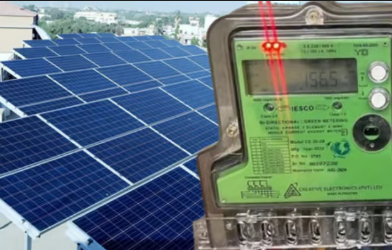
Pakistan’s transition toward solar energy continued at full speed in April 2026, with electricity generated through net metering reaching its highest level ever recorded. The shift reflects a growing number of households and businesses cutting dependence on the national grid amid rising tariffs and falling solar installation costs.
Data compiled by Arif Habib Limited using figures from NEPRA shows that net metering’s share in total electricity supply climbed to a record level during April 2026. On a year-on-year basis, its contribution increased by 117 basis points, signaling rapid expansion of rooftop solar adoption across the country.
At the same time, overall electricity generation dropped sharply by 9.6% compared to the same month last year. The decline reflects weaker industrial and commercial demand, alongside a growing shift toward self-produced solar power that bypasses the national grid.
Month-on-month data also highlights strong momentum, with net-metered electricity jumping 71.2% in April. The surge is largely attributed to seasonal conditions, as longer daylight hours and stronger sunlight boosted solar output across residential and commercial systems.
Over the past two years, net metering has shown a consistent upward trajectory. The most significant acceleration has been recorded during the current fiscal year, driven by cheaper imported solar panels and rising grid electricity costs, both of which have pushed more consumers toward rooftop installations.
While the trend is reducing electricity bills and improving energy independence for users, it is also creating financial pressure for distribution companies. As more high-paying consumers shift to solar, utilities are increasingly left with a smaller, less profitable customer base.
Despite the recent contraction in total electricity generation, NEPRA still projects around 1% growth in electricity demand for calendar year 2026. However, regulators are now closely monitoring the rapid expansion of net metering, which is increasingly seen as one of the most disruptive structural changes in Pakistan’s power sector.