




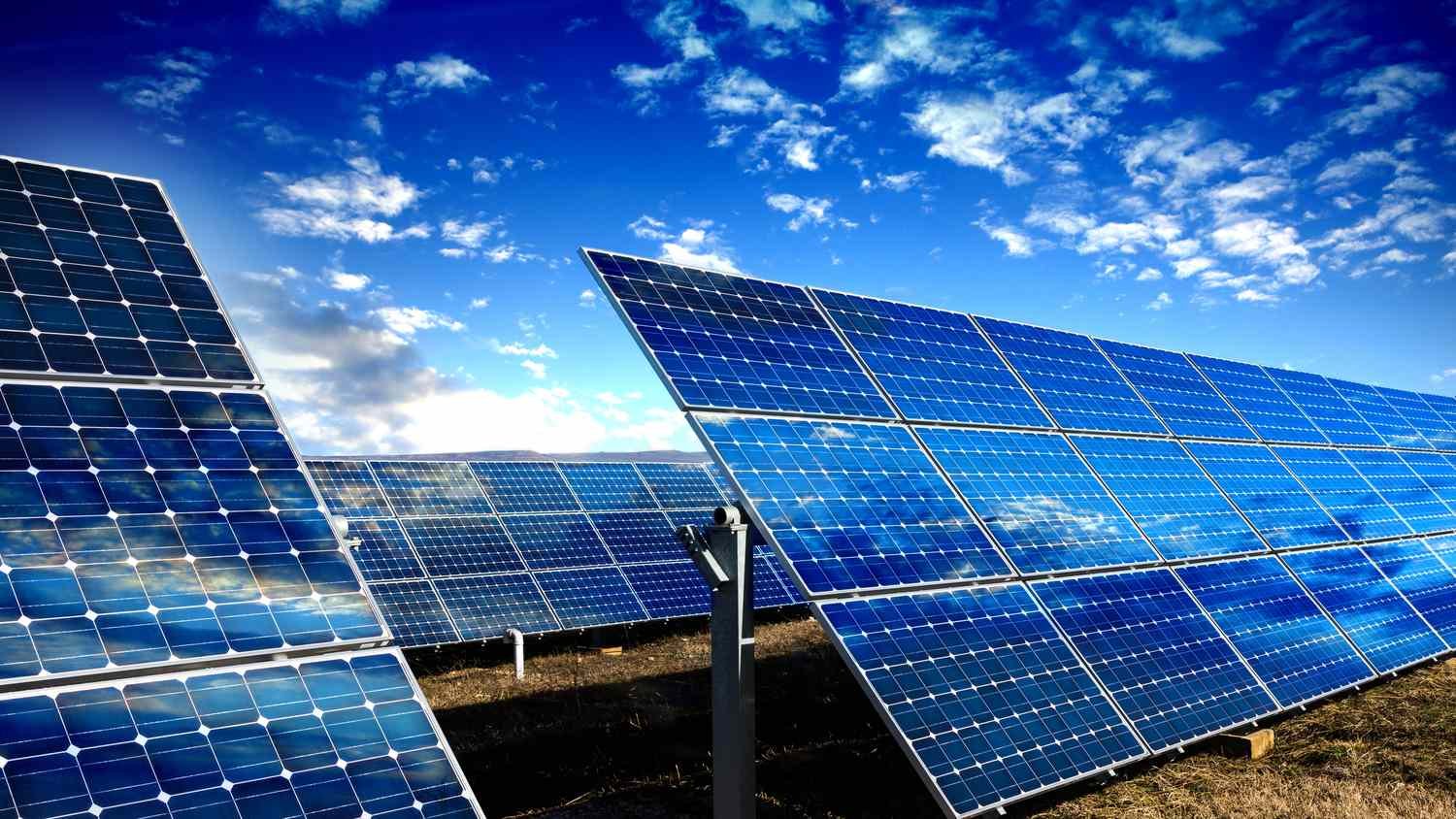
Pakistan has been cautioned against building additional power plants without carefully assessing whether the country will actually need them, with the Independent System and Market Operator (ISMO) warning that rapid rooftop solar adoption, changing electricity consumption and uncertain demand could leave new plants sitting idle while consumers continue paying their fixed costs through electricity bills.
In its integrated System Plan for 2026 to 2036, prepared in coordination with the National Grid Company of Pakistan, ISMO said the country’s electricity challenge is evolving. Pakistan may not simply need more power plants, the plan argues — it needs a better system to manage electricity from different sources, store surplus solar power and deliver electricity when consumers need it.
Solar Power Is Changing Electricity Demand
The plan estimates that Pakistan’s overall electricity demand will grow by an average of 3 percent per year until 2036. However, electricity supplied through the national grid is expected to rise by only 1.75 percent annually, as more households and businesses generate their own electricity through solar panels. Peak demand, meanwhile, is projected to climb from 26,768 megawatts in FY2025 to 35,127 megawatts by FY2036.
This creates a structural problem for the national grid. During the day, rooftop solar reduces the amount of electricity consumers buy from distribution companies. But after sunset, when solar generation stops, demand on the grid surges again. The country must therefore maintain enough power plants to meet evening peaks — even if many of those plants remain underutilised during the day.
That unused capacity drives up costs. Power companies incur fixed costs for maintaining plants regardless of how much electricity they generate. When fewer units are sold through the grid, those costs are spread across a smaller volume of electricity, pushing up the capacity charges consumers pay per unit. ISMO has recommended that the government consider improved electricity management, time-based tariffs and energy conservation measures before approving any new power plants.
What Pakistan Plans to Build
Under its main demand forecast, ISMO expects installed generation capacity to grow from approximately 39,141 megawatts in FY2026 to 52,527 megawatts by FY2036. The plan includes 8,664 megawatts of already committed projects and another 7,942 megawatts selected through its planning process, while around 3,219 megawatts of existing capacity is expected to be retired.
Notably, ISMO has not selected any new power plants running on fossil fuels or imported fuels under any of its three demand scenarios. The plan instead favours hydropower, nuclear energy, solar and wind, supported by battery storage. The estimated present value of generation expansion costs under the main scenario stands at $44.2 billion — a planning estimate, not an immediate liability, and one that does not obligate the government to purchase electricity from every project listed.
Batteries Could Help Solve the Evening Power Shortage
ISMO has proposed adding 1,740 megawatts of battery storage by FY2036, including 1,000 megawatts for the national grid to be installed in two phases by March 2029. Batteries can store electricity when solar generation is plentiful and release it later, particularly during the evening hours when solar output falls but demand remains high.
The plan also calls for stronger transmission infrastructure to move electricity to where it is needed, improved connectivity between the national grid and K-Electric, and upgrades to the supply system in areas such as Gwadar and Makran. It recommends introducing programmes that incentivise consumers to shift usage outside peak hours and improving energy efficiency in buildings, particularly to reduce heavy summer cooling demand.
The Risk of Building Too Much
ISMO modelled three demand scenarios — low, medium and high. Under the low-demand scenario, peak demand could reach 32,965 megawatts by FY2036; under the high-demand scenario, it could touch 43,765 megawatts. The wide gap underscores why long-term power projects must be planned carefully. If demand grows more slowly than expected, new plants could remain underused and inflate electricity costs for consumers.
The plan estimates that ongoing and planned transmission projects will require approximately $9.176 billion in investment. ISMO also warned that delays in major hydropower and transmission projects could increase costs and disrupt electricity delivery, even if installed generation capacity is sufficient. It recommended regular review of project costs, continuous monitoring of actual demand and avoidance of unnecessary commitments.
The central message of ISMO’s plan is that Pakistan must rethink how it manages electricity rather than continue building new plants. With more consumers producing their own solar power, the country needs better storage, stronger transmission lines and smarter demand management to ensure electricity is available when needed — without adding unnecessary costs to consumers’ bills.