Pakistanis spend nearly Rs. 100 billion on dry fruits every year, but expensive varieties such as almonds, walnuts, pistachios and cashews remain out of reach for most households.
A household consumption analysis by Gallup Pakistan Digital Analytics, based on the Household Integrated Economic Survey (HIES) 2024-25, estimates that Pakistani households spend approximately Rs. 98 billion annually on dry fruits.
Around Rs. 56 billion goes towards premium varieties, including almonds, walnuts, pistachios and cashews. However, only 7 percent of households, or approximately 2.7 million homes, reported buying these products during a typical two-week period. Their average spending was around Rs. 800.
The remaining Rs. 42 billion is spent on relatively cheaper products such as dried dates, peanuts, coconut and sesame. Around 12 percent of households, equivalent to 4.6 million homes, purchased these items during the same period, spending approximately Rs. 350 on average.
The figures highlight a significant income gap in Pakistan’s dry fruit consumption.
Among the wealthiest 20 percent of households, 15.5 percent purchased premium nuts during the survey period. In comparison, only 3.6 percent of households in the poorest 20 percent bought these products.
This means wealthy households are more than four times as likely to purchase premium dry fruits as the poorest households.
Cheaper varieties, including peanuts and dried dates, have a much wider reach across income groups.
Regional differences are also significant. Khyber Pakhtunkhwa recorded the highest purchase rate for premium nuts, with 14.4 percent of households buying them. Punjab followed at 5.9 percent, while Sindh recorded 3.9 percent.
Islamabad stood out in the cheaper dry fruit category, with 38 percent of households reporting purchases.
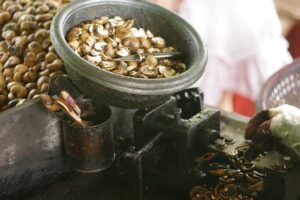
Trade figures also show a sharp increase in Pakistan’s cashew imports. Imports of shelled cashews jumped from 329 tonnes in 2023 to 3,107 tonnes in 2024, with Vietnam accounting for almost all supplies. These imports were worth approximately $10.5 million, according to trade data compiled by Tridge.
In January 2025, Karachi Customs set assessed import values of $4.5 to $4.7 per kilogram for raw cashews.
However, imported cashews represent only a small part of Pakistan’s overall dry fruit market. The country produces much of its own almonds and walnuts, while most pistachios come from Iran and Afghanistan.
The consumption estimates also reflect spending throughout the year rather than winter alone. HIES asks households about purchases during the preceding two weeks, with surveys conducted across different months. Consequently, winter consumption of dry fruits is likely to be higher than the annual average suggests.
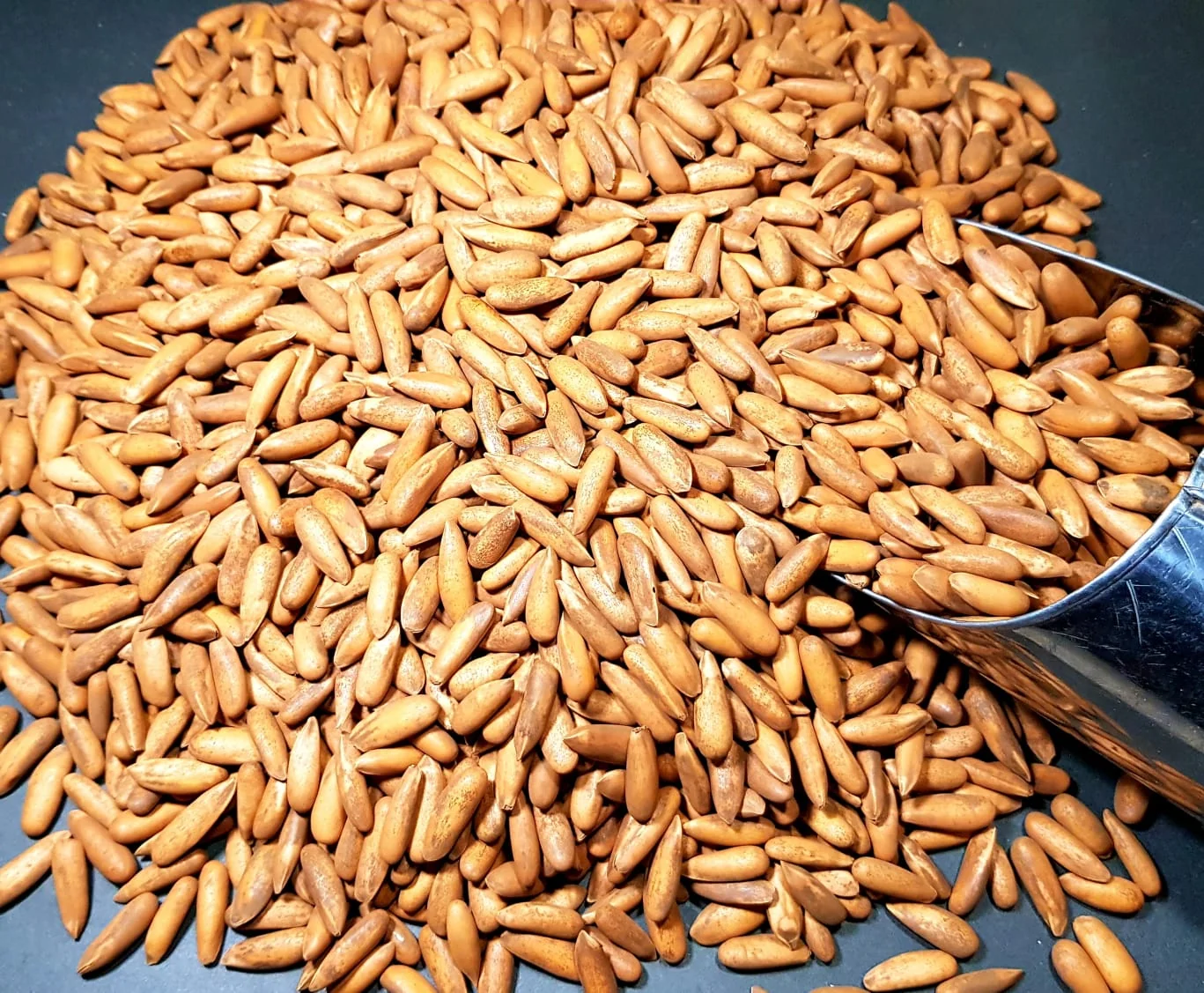
Although the survey does not separately measure chilgoza purchases, its findings show that premium dry fruits remain a relatively expensive habit, largely concentrated among Pakistan’s wealthier households.