



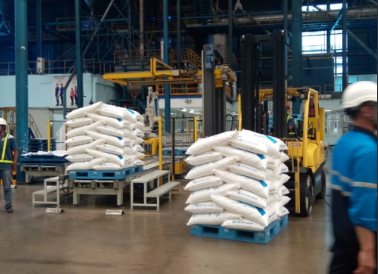
The federal government is considering selling 108,000 tons of imported sugar at around Rs. 110 per kg, despite previously setting a reserve price of Rs. 184.8 per kg for the same stock. The proposed sale could result in an estimated loss of around Rs. 8 billion against the stock’s import and carrying costs.
The Trading Corporation of Pakistan (TCP) opened bids on November 13 for the export of the sugar stored at its Pipri warehouse in Karachi.
Three trading companies submitted bids. UAE-based Rahul International Trading LLC offered the lowest price of $386 per ton, followed by General Trading LLC at $395 and Sputnik Global Trading LLC at $400 per ton.
At the exchange rate of Rs. 280 per dollar used in TCP’s tender documents, these offers translate into approximately Rs. 108 to Rs. 112 per kg.
TCP and the Ministry of Commerce have referred the matter to a committee headed by the Deputy Prime Minister, seeking approval to sell the stock at around Rs. 110 per kg.
The bids reportedly cover only around 50,000 tons, less than half of the available inventory. The Minister for National Food Security and Research reportedly did not attend the meeting.
How Pakistan Ended Up With 108,000 Tons of Unsold Sugar
According to an official statement issued after its August 19, 2026 meeting, the Economic Coordination Committee (ECC) of the Cabinet considered a proposal from the Ministry of National Food Security and Research to export 108,000 tons of surplus sugar held by TCP.
The stock is the remaining portion of 300,000 tons of refined white sugar imported between September and November 2025 to address a domestic shortage.
The imports were made on the recommendation of the Sugar Steering Committee, constituted with Cabinet approval. The remaining stock was subsequently approved for export through international tenders under the Public Procurement Regulatory Authority (PPRA) Rules 2004.
Pakistan reportedly spent around Rs. 50 billion on importing the 300,000 tons, with the landed cost estimated at approximately Rs. 160 to Rs. 167 per kg.
TCP sold around 192,000 tons in the domestic market, while the remaining 108,000 tons stayed in its warehouses for nearly a year.
Rs. 75 Per Kg Below Previous Reserve Price
TCP’s first export tender, issued on September 6, 2026, set a reserve price of Rs. 184,800 per ton, equivalent to Rs. 184.8 per kg or $660 per ton at the exchange rate of Rs. 280.
The tender also included a carrying charge of Rs. 2 per kg per month for sugar that remained unpaid or unlifted.
The reserve price reflected the original import cost and approximately 12 months of accumulated carrying charges.
Selling all 108,000 tons at around Rs. 110 per kg would therefore mean a difference of approximately Rs. 75 per kg against the previous reserve price, translating into an estimated Rs. 8.1 billion.
If the government sells only the 50,000 tons covered by the current bids, the difference would amount to approximately Rs. 3.75 billion.
The remaining 58,000 tons would continue to accumulate carrying costs of around Rs. 116 million every month at the existing rate.
TCP had previously invited domestic bids for the sugar on November 17 and 25, 2025. Both tenders were rejected because the offers were below the landed import cost. Reports at the time indicated that some bidders had offered around Rs. 140 per kg.
TCP Removes Reserve Price After First Tender Fails
When TCP issued its September 2026 export tender, international white sugar prices were around $505 to $520 per ton, equivalent to approximately Rs. 142 to Rs. 146 per kg.
However, the tender attracted no bids when it opened on September 30.
TCP subsequently issued another tender on November 10, removing the reserve price altogether instead of revising it in line with prevailing international market rates.
The latest tender covers 96,000 tons of fine-grain sugar and 11,086 tons of medium-grain sugar. Buyers are required to lift the stock within 90 days.
Offers Also Below International Sugar Prices
The latest bids are significantly lower than international white sugar prices.
The December 2026 London No. 5 white sugar contract settled at $527.60 per ton on October 29, while the International Sugar Organization’s white sugar index remained mostly between $520 and $560 per ton during October.
The three offers received by TCP are therefore around $120 to $140 per ton below these international benchmarks.
Some difference is expected because TCP is offering the sugar on an ex-works Karachi basis, meaning buyers must arrange loading, handling, and transportation.
However, the stock is being sold for export through trading companies. Any margin between the purchase price and the eventual international selling price would accrue to the successful bidders.
Questions Over Sugar Import and Export Decisions
The proposed sale has raised questions about the original decision to import such a large quantity of sugar and the subsequent handling of the surplus.
One key question is why 108,000 tons remained unsold as Pakistan entered another domestic crushing season. If the imports were intended to stabilize local sugar prices, the government could have considered releasing the surplus into the domestic market instead of keeping it in warehouses for nearly a year.
There are also questions about why earlier offers reportedly reaching around Rs. 140 per kg were rejected, while the government is now considering bids of approximately Rs. 110 per kg.
Another issue is the decision to remove the Rs. 184.8 per kg reserve price entirely. Rather than abandoning the reserve price, TCP could have revised it to reflect prevailing international prices and the costs associated with storing the sugar.
The government now faces the prospect of selling publicly funded sugar at a substantial discount, while continuing to bear the cost of holding whatever stock remains unsold.
The import decision, rejected bids, failed export tender, and latest proposed sale warrant a detailed explanation from the relevant authorities.