The government has agreed to reduce fuel costs for farmers, public transport operators and selected vehicle owners but has refused to scrap the petroleum levy, Jamaat-e-Islami (JI) said on Tuesday following another round of negotiations.
JI Acting Emir Liaquat Baloch said discussions on the party’s demand to abolish the levy were nearing completion. He shared the details at a press conference after meeting Deputy Prime Minister and Foreign Minister Ishaq Dar.
Progress in Petroleum Levy Talks
Baloch said the government had accepted the validity of JI’s demands after the party’s nationwide protests and submission of a six-point proposal.
He added that the government was expected to finalise its assessment of oil refinery profits and a plan for gradually withdrawing the petroleum levy by Monday. A working paper was scheduled to be prepared on Tuesday.
JI Emir Hafiz Naeem ur Rehman will examine the final draft before deciding the party’s next move, Baloch said.
The government’s account of the meeting, however, did not mention any commitment to abolish the levy. The Foreign Office said both sides discussed ways to ease the burden of rising energy costs on low-income households and agreed to continue consultations in the coming days.
Government representatives also told JI that international oil prices were increasing and that the government had already extended all possible relief.
No Immediate Relief at Petrol Pumps
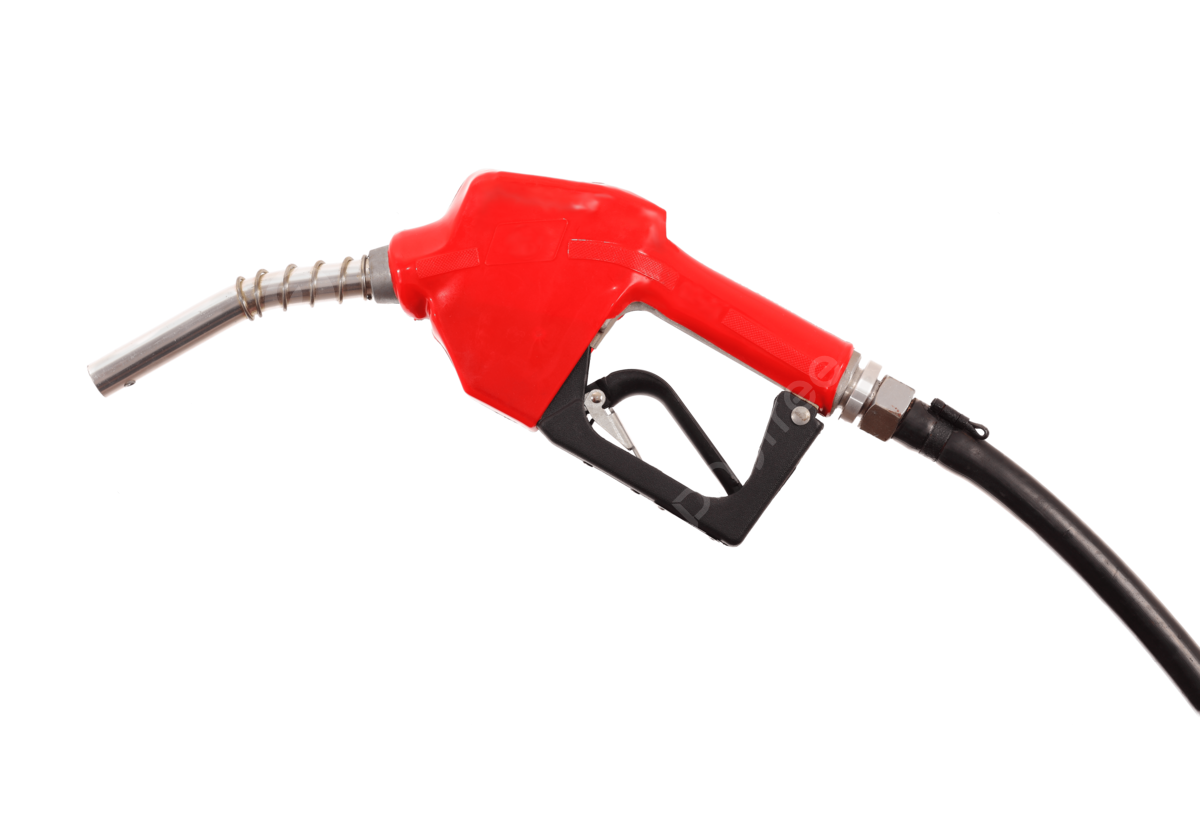
Consumers should not expect an immediate change in fuel prices. Any reduction or subsidy will require a final decision followed by an official notification.
Under the reported proposal, farmers, public transport operators and certain vehicle owners could receive targeted relief. However, the government has not agreed to remove the petroleum levy for all consumers.
The levy remains a major source of government revenue. The government has set a target of collecting Rs. 1.6 trillion through petroleum levy during FY27, making its removal a significant fiscal decision.