




akistan plans to cut automobile tariffs, promote local auto parts manufacturing and increase vehicle exports under the proposed Auto Policy 2026-31, in a bid to make the industry more competitive and vehicles more affordable.
The draft policy proposes reducing the overall weighted average tariff to below 6 percent by 2030, phasing out sector-specific Statutory Regulatory Orders (SROs) and removing automobile tariffs from the Fifth Schedule of the Customs Act, 1969.
The government also plans to reduce dependence on imported components, improve vehicle quality and connect Pakistani manufacturers with international supply chains.
Pakistan Plans to Boost Auto Exports
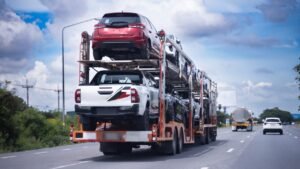
Pakistan’s automobile sector recorded exports worth $190 million in fiscal year 2025-26. Under the proposed policy, the government wants to increase overseas sales through export incentives and mandatory targets for manufacturers.
The proposed framework aims to shift the industry away from tariff protection towards export growth, productivity and stronger competition.
According to the draft, Pakistan has more than 2,200 auto parts manufacturers. The sector contributes around 4.5 percent to large-scale manufacturing, supports approximately 2.5 million direct and indirect jobs, and generates more than Rs. 784 billion in annual taxes.
The government also plans to encourage the adoption of cleaner vehicles through tax incentives for new energy vehicles, including electric cars. Proposed measures include a lower general sales tax rate and possible exemptions from other duties and taxes.
Meanwhile, the draft proposes an Auto Development Levy on conventional vehicles with larger engine capacities.
The policy aims to make smaller vehicles more affordable while encouraging local production and reducing reliance on imported auto parts. However, the actual impact on car prices will depend on the final tax structure, manufacturing costs and how automakers respond to the proposed changes.
Govt Plans Stricter Vehicle Safety Standards
The proposed policy calls for adopting 45 additional WP.29 vehicle regulations by 2029, alongside a legal framework to ensure manufacturers comply with the updated safety requirements.
The government also plans an external audit of all import permits issued by the Engineering Development Board (EDB). The board’s internal administrative systems would be fully digitized to improve transparency and regulatory efficiency.
The draft identifies low domestic value addition as a major challenge and seeks to encourage manufacturers to produce more components locally while improving product quality and export competitiveness.
A steering committee headed by the minister for industries and production would oversee the policy’s implementation.
The proposals remain subject to the government’s final decisions. If implemented effectively, the policy could help reduce tariff barriers, strengthen local manufacturing and expand exports. However, lower tariffs alone would not guarantee cheaper cars for consumers.