



Global oil prices rose on Wednesday, with Brent crude reaching $106.37 per barrel and US West Texas Intermediate (WTI) climbing to $94.72.
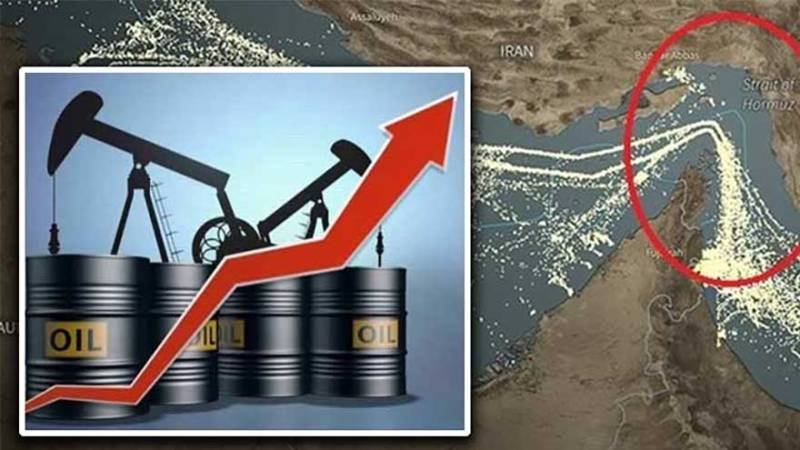
Prices gained amid concerns over escalating tensions between Iran and the United States. Iranian officials told Reuters that Iran’s forces planned to expand strikes in the Strait of Hormuz using new tactics.
Iran has also warned Washington that it could act preemptively against any perceived threat of renewed attacks on its territory.
The latest developments came after Israeli media reported that Prime Minister Benjamin Netanyahu had urged US President Donald Trump last week to resume attacks on Iran before the US midterm elections in November. Trump reportedly told Netanyahu to prepare for a possible resumption of hostilities but did not make a firm commitment.
Phillip Nova analyst Priyanka Sachdeva said Iran’s latest statements indicated that it could use its strategic position in the Strait of Hormuz to keep oil prices high and increase pressure on the global economy.
However, Saudi Arabia’s plan to expand its East-West oil pipeline could help ease price pressures. ING commodity analysts said the expansion could add 1.2 million barrels per day in capacity within months.
The additional capacity could provide an alternative route for Saudi oil shipments, but uncertainty remains over how much extra crude can reach international markets amid risks to tanker movements.
The outlook for oil prices remains closely tied to developments in the region, particularly any escalation that disrupts shipments through the Strait of Hormuz.