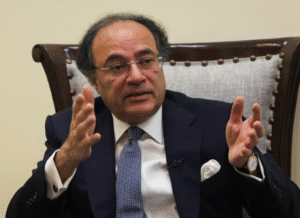




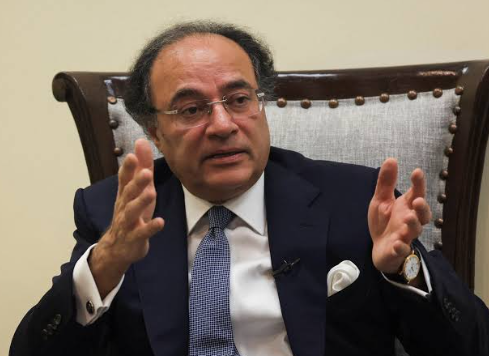
Finance Minister Muhammad Aurangzeb has estimated that political protests and sit-ins could cause economic losses of around Rs. 120 billion per day.
In a recorded message on Sunday, he said the estimate was prepared after consultations with the Planning Commission’s economic team and was based on the impact seen during previous disruptions.
The warning comes as Pakistan faces two planned political mobilizations in Islamabad. Pakistan Tehreek-e-Insaf has announced a September 27 march seeking the release of party founder Imran Khan, while Jamaat-e-Islami is pressing ahead with its march over the petroleum levy.
Aurangzeb said the services sector would bear the largest share of the estimated loss, at around Rs. 86 billion per day.
This includes financial services, communications, retail, wholesale, transportation and hospitality.
The industrial sector could lose approximately Rs. 25 billion daily, with the estimate covering construction, finished products, raw materials and supply chains.
Agriculture could face another Rs. 9 billion in losses.
The finance minister separately estimated that the government could lose around Rs. 17 billion in revenue if such disruptions take place.
He also highlighted the additional pressure on public finances from deploying security personnel and arranging logistics, transportation and fuel during protests.
Aurangzeb said Pakistan was trying to protect its export-led growth, with the government targeting exports of $35.9 billion during the current fiscal year. He said the country had remained on track during the first two months.
The IT sector could also be affected if protests lead to connectivity problems. Aurangzeb said IT exports reached $811 million in July and August, averaging about $13 million per day. He recalled that previous internet disruptions had reduced IT exports by as much as 80 percent.
He said Pakistan took around one and a half months to recover from the economic impact of a strike in December 2025.
Aurangzeb also pointed to wider economic pressures from Middle East tensions, including higher freight and insurance costs and disruptions to supply chains.
He said another prolonged period of protests could add to these pressures and slow the country’s growth momentum.
The finance minister urged political groups to resolve their differences through dialogue, saying the economic cost of disruptions would ultimately be felt by workers, daily wage earners, small traders and ordinary citizens.
He said Pakistan had made difficult decisions to restore macroeconomic stability and was now attempting to move the economy toward growth.