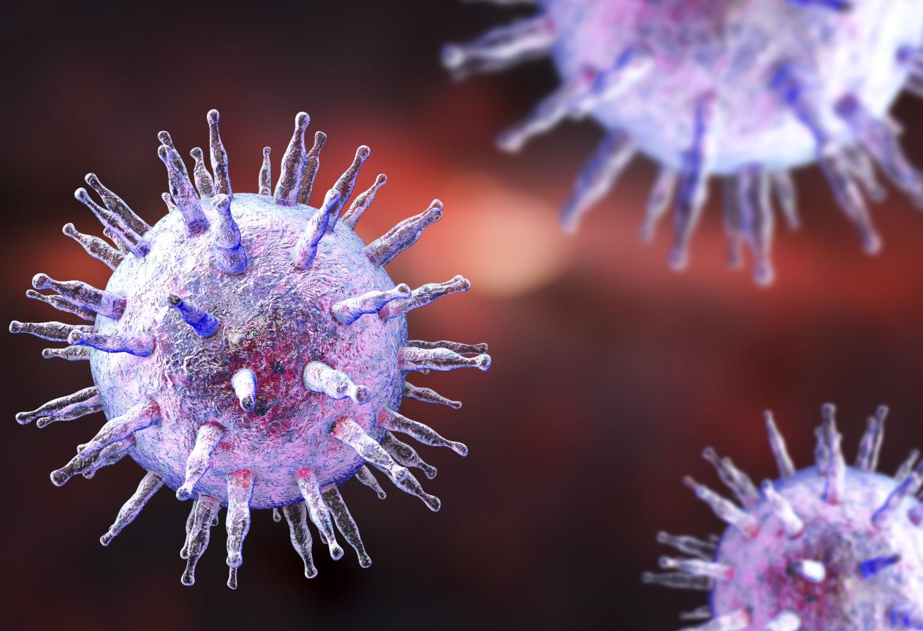
Scientists have developed a new group of antibodies that can target Epstein-Barr virus (EBV), a highly common virus carried by about 95 percent of adults worldwide.
Researchers at Fred Hutch Cancer Center and the University of Washington developed 10 human monoclonal antibodies that target two proteins on the surface of EBV. These proteins help the virus enter B cells, which play an important role in the immune system.
In tests involving mice with human-like immune systems, one of the antibodies successfully prevented EBV infection. Researchers said the finding could provide a basis for developing treatments to prevent or control the virus.
EBV usually remains in the body for life after infection. Although many people experience few or no symptoms, the virus has been associated with several cancers and multiple sclerosis.
The researchers used genetically modified mice capable of producing human antibodies, allowing them to identify antibodies that could effectively target EBV while being better suited for potential use in humans.
The findings were published in Cell Reports Medicine. The antibodies have not yet been approved as a human treatment, and further research will be needed before they can be tested for clinical use.