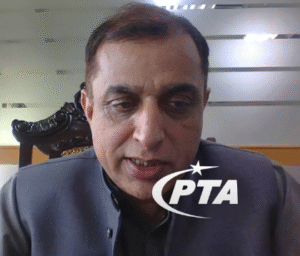




Pakistan no longer faces an electricity generation shortage and must now focus on battery storage and grid flexibility to fully utilize surplus solar power, Federal Minister for Energy Sardar Awais Ahmad Khan Leghari said on Tuesday.
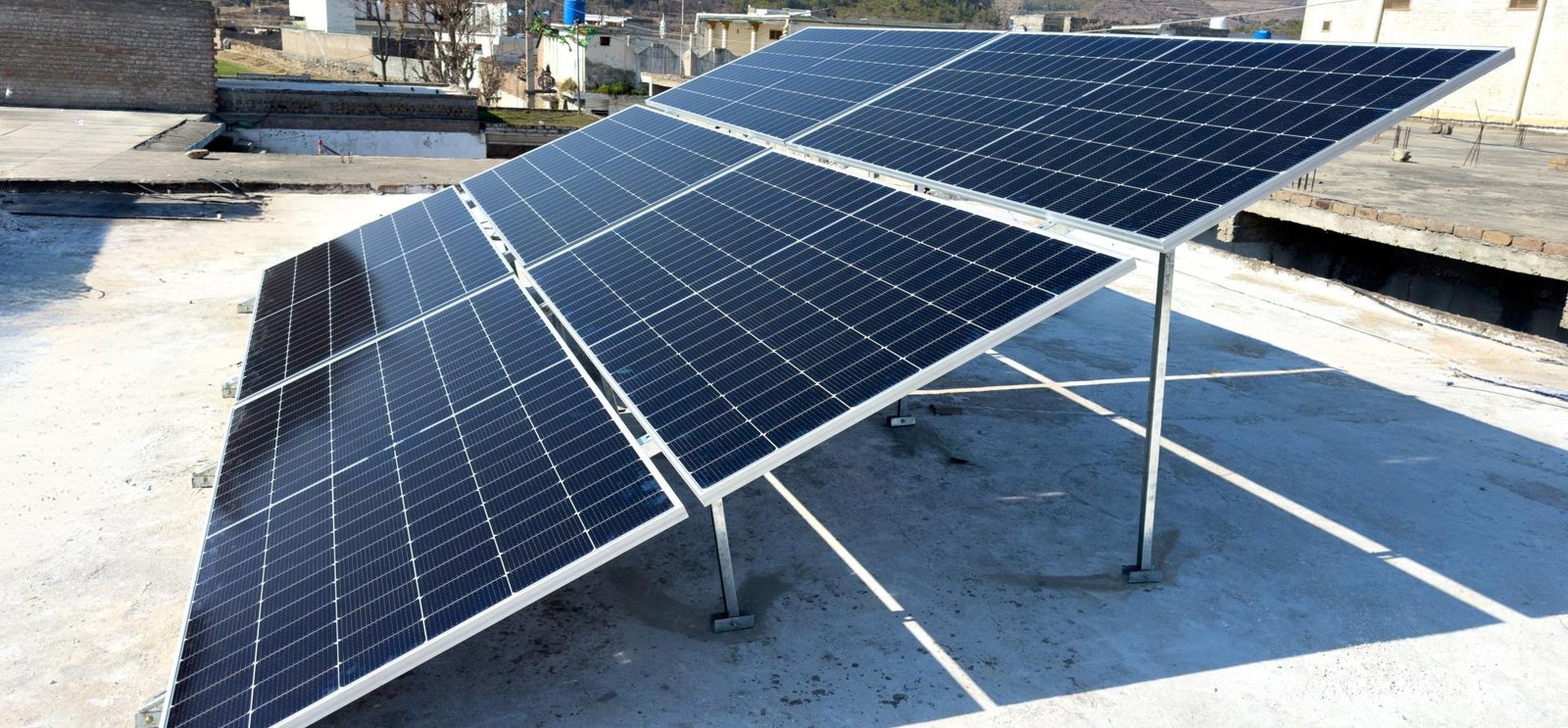
Addressing the Solar Storage Flexibility 2026 Conference in Islamabad, the minister said Pakistan’s energy challenge has shifted from producing electricity to storing excess daytime solar generation and supplying it during peak evening demand.
Leghari said recent global energy disruptions, including tensions involving Iran and the United States, have highlighted Pakistan’s exposure to international fuel market risks.
He noted that fluctuations in oil prices, shipping uncertainties around the Strait of Hormuz, and instability in global fuel markets directly impact Pakistan due to its dependence on imported fuels for thermal power generation.
The minister said Pakistan faced a similar situation in April when reduced RLNG supplies from Qatar led to nighttime load shedding, despite adequate daytime electricity availability due to increased solar generation.
He said battery energy storage systems are crucial not only for balancing renewable energy on the national grid but also for reducing the country’s vulnerability to external energy shocks.
According to Leghari, renewable sources currently account for 55 percent of Pakistan’s electricity mix, while the government aims to increase the share of clean energy to 90 percent by 2035.
He added that large-scale energy storage will help integrate more renewable power into the grid by storing excess solar electricity and making it available during periods of higher demand.
The minister also announced plans to develop a local battery manufacturing industry to reduce dependence on imported storage technologies.
He said the Ministry of Industries is preparing a policy framework to promote domestic battery production, while a National Steering Committee on Battery Energy Storage Systems has been formed to coordinate regulators, transmission companies, distribution companies, and industry experts for sector development.