





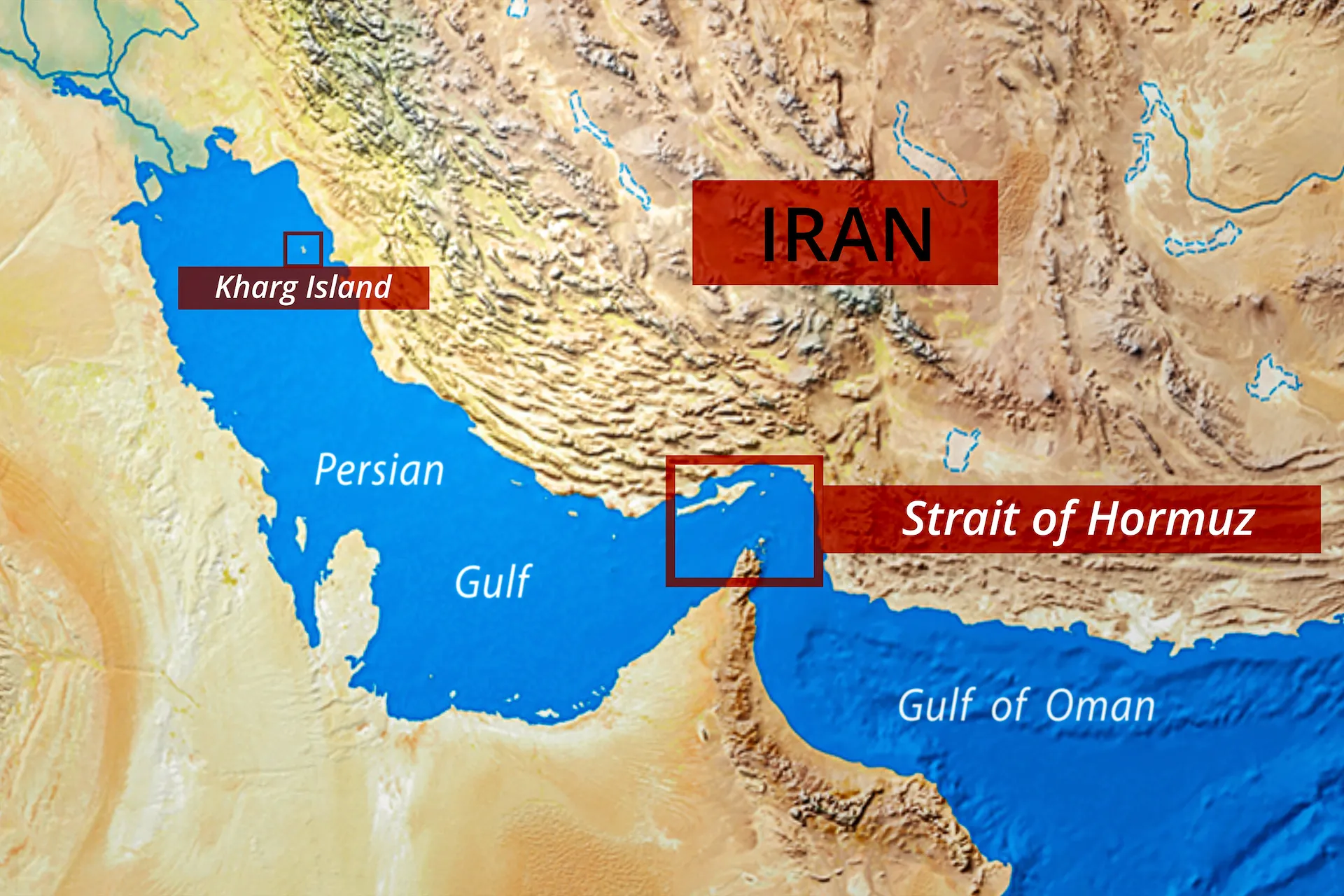
Gulf countries have raised a record $112 billion through bond sales this year to finance pipelines, ports, and transport corridors aimed at reducing dependence on the Strait of Hormuz following heightened regional tensions.
According to Bloomberg data, Saudi Arabia, the UAE, Kuwait, and Qatar collectively issued $112 billion in bonds between January 1 and July 23, marking the highest issuance on record. The surge in borrowing follows the Iran conflict, which highlighted the vulnerability of the Strait of Hormuz—a key global oil shipping route that previously carried around 15 million barrels of oil per day.
The latest issuance extends a sharp rise in Gulf borrowing, with bond sales more than tripling since 2022, while investor demand has remained strong despite growing geopolitical risks.
Separate data from Markaz shows Gulf Cooperation Council (GCC) countries raised $102.69 billion through bonds and sukuk during the first half of 2026 alone. Saudi Arabia accounted for nearly half of the total after issuing $49.34 billion.
Investor appetite has remained robust. Kuwait recently raised $6 billion, attracting $14.8 billion in orders, while Saudi Arabia, Abu Dhabi, Qatar, and Bahrain also completed successful debt offerings. At the same time, Gulf sovereign credit default swap spreads have widened this year as investors price in higher geopolitical risks and increased borrowing.
Governments across the region are using the funds to strengthen long-term energy security by expanding export infrastructure. Planned projects include new oil export terminals on the Red Sea and the Gulf of Oman, additional pipelines, upgrades to aging energy facilities, and improved transport networks.
Saudi Arabia is expanding export routes through its Yanbu port on the Red Sea, while the UAE is accelerating a $3 billion pipeline to Fujairah to increase oil exports outside the Strait of Hormuz. Iraq is also pursuing pipeline connections to Turkey, Syria, and Jordan to diversify its export routes.
Goldman Sachs estimates these projects could add 3.8 million barrels per day of alternative export capacity by the end of 2027, rising to 7.3 million barrels per day by the end of 2028. If completed, the new infrastructure could allow around 60 percent of the Gulf’s pre-conflict oil exports to bypass the Strait of Hormuz when required.
Despite these investments, analysts warn that alternative routes are not risk-free, pointing to continued security threats around the Red Sea and the Bab el-Mandeb Strait, where commercial shipping has repeatedly come under attack.




