




Pakistan’s agricultural landscape has become more fragmented, smaller and increasingly mechanized, according to the 7th Agricultural Census 2024, the country’s first fully integrated digital count of agriculture, livestock and farm machinery conducted by the Pakistan Bureau of Statistics.
The census found 11.10 million farms across the country, up 34 percent from 8.26 million in 2010. However, the land under farms rose only 12 percent to 59.30 million acres, pushing the average farm size down 17 percent over 14 years, from 6.4 acres to 5.3 acres.
One of the most striking findings is the scale of fragmentation. The number of fragmented farms — holdings split into separate parcels surrounded by other people’s land — jumped 76 percent to 4.98 million, meaning nearly 45 percent of all farms are now fragmented. The average fragmented farm, which was split into three pieces in 2010, is now divided into seven pieces, while the national total of separate land parcels has reached 34.4 million.
The problem is most severe in Balochistan, where a fragmented farm is divided into 12 pieces on average, followed by Punjab with eight, Khyber Pakhtunkhwa with seven and Sindh with four. The census said such fragmentation raises costs, wastes water and fuel in moving between plots, and makes mechanized farming more difficult on already small holdings.
The size distribution shows how constrained the sector has become. Nearly six in 10 farms, or about 6.55 million holdings, are smaller than 2.5 acres, yet they account for only around 17 percent of total farm area. At the other end, farms of 25 acres and above make up just 1.4 percent of all holdings but control about 15 percent of the land.
The census also points to a structural shift in land tenure. Owner-operated farms rose 46 percent to 9.81 million and now make up 88 percent of all farms. Pure tenant farms declined 17 percent to 765,000, while farms operated by cultivators who both own and rent land fell 13 percent to 524,000.
Tenant-operated area shrank 12 percent to 9.10 million acres. Leasing has now overtaken sharecropping as the main arrangement, accounting for 57 percent of tenant-operated land compared with 39 percent under crop sharing. Even so, tenant farms are used more intensively than owner farms, with land use intensity of 98 percent compared with 95 percent and cropping intensity of 163 percent versus 155 percent.
Livestock emerged as a major strength of the rural economy. Compared with the 2006 Livestock Census, goats rose 78 percent to 95.83 million, cattle increased 89 percent to 55.86 million, buffaloes climbed 75 percent to 47.74 million and sheep grew 68 percent to 44.58 million.
The most notable gains came in dairy animals. Milk cows more than doubled to 20.93 million, while milk buffaloes rose 111 percent to 21.56 million. Camels increased 64 percent to 1.51 million, and mules jumped 90 percent. Punjab leads in cattle, buffaloes and goats, while Balochistan dominates sheep and camels.
The census said livestock now contributes 63.6 percent of agricultural value added and nearly 15 percent of national GDP, well ahead of crops at 32.6 percent.
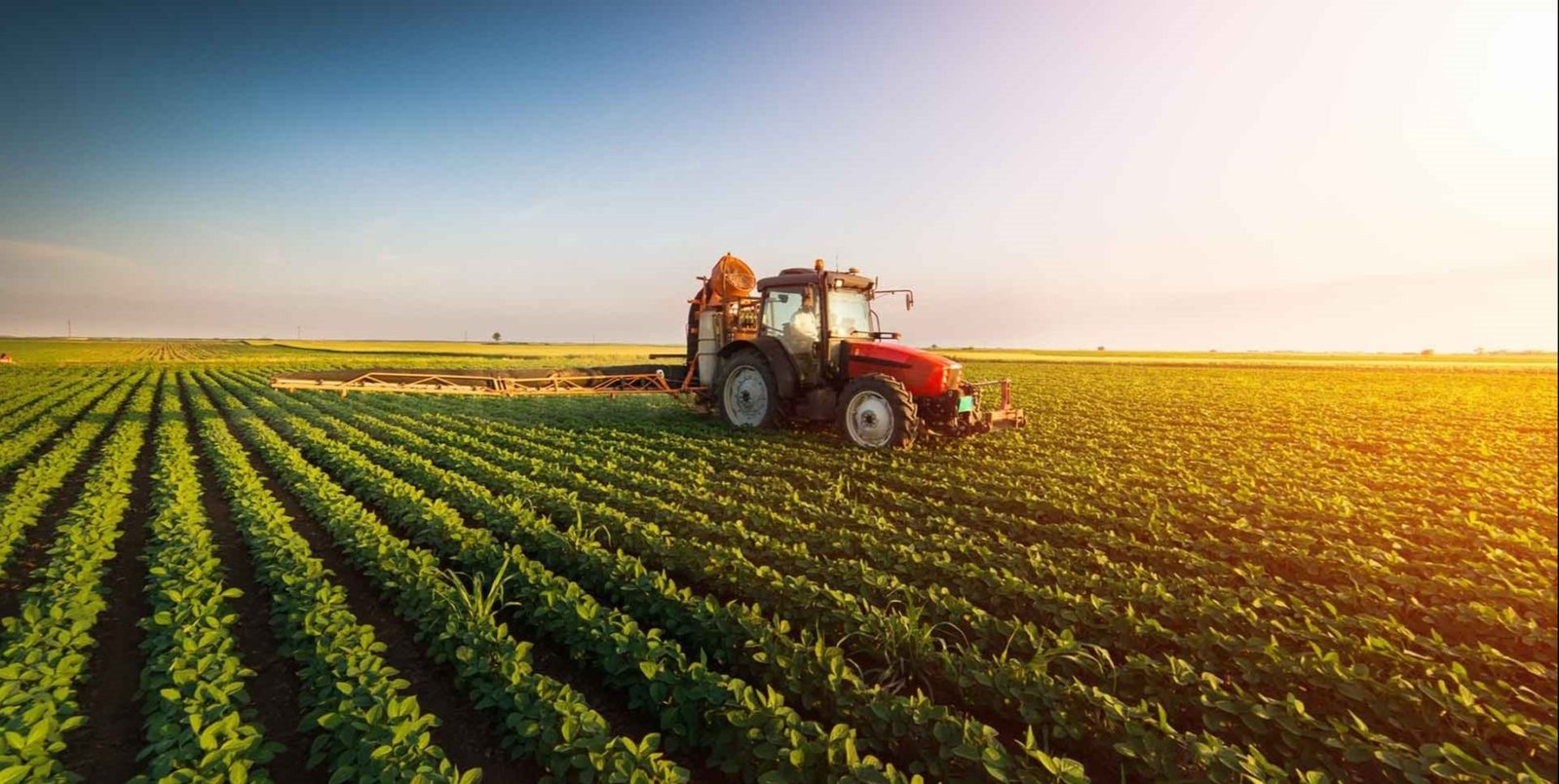
Mechanization also rose sharply. Pakistan now has 986,998 tractors, up 146 percent from 401,663 in the 2004 machinery census. Punjab holds 78.8 percent of the total fleet, while Balochistan recorded the sharpest percentage increase at 564 percent. Massey Ferguson leads the market with 519,653 tractors, followed by Fiat with 343,669.
The use of agricultural implements has also expanded, with rotavators rising 279 percent and chisel ploughs jumping 837 percent since 2004. At the same time, the data show that mechanisation is increasingly rental-based. Farmers rented nearly as many cultivators as they owned, while rented rotavators outnumbered privately owned units by more than two and a half times.
One of the most dramatic changes was seen in irrigation. Tubewells and lift pumps nearly doubled to 1.83 million, a 97 percent increase since 2004. Solar power has emerged as the dominant source, running 959,865 units and accounting for 52 percent of the total. Diesel-powered units fell 36 percent to 530,500, while electric units rose 320 percent to 407,887.
Submersible pumps surged 2,316 percent to 270,989 units, and turbine tubewells increased 977 percent, reflecting the growing depth of groundwater extraction. In Balochistan, where water stress is acute, tubewell numbers rose 623 percent to 151,394.
The census also shows that farms are producing more from the same land. Cultivated area rose 24 percent to 52.79 million acres, uncultivated farmland fell 37 percent, land use intensity climbed from 83 percent to 95 percent, and total cropped area expanded 22 percent to 82.77 million acres.
Wheat remained the dominant crop, covering 35.82 million acres or 43 percent of cropped area. Maize was the fastest-growing major crop, up 76 percent to 4.20 million acres, while orchard area rose 42 percent and rice increased 15 percent to 10.71 million acres.
Cotton, however, continued its long decline. Area under the crop fell 29 percent to 6.51 million acres, confirming the erosion of what was once Pakistan’s flagship cash crop. Tunnel farming is also emerging as a niche trend, with 58,626 farms reporting greenhouse technology on 277,283 acres.