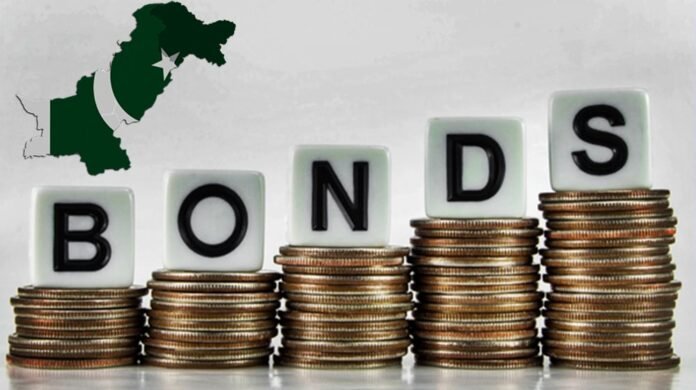
Pakistan plans to raise $2 billion through international bonds in fiscal year 2026-27, including Eurobonds, Sukuk and Panda bonds, as the government looks to maintain its presence in global capital markets and stay engaged with international investors.
According to budget projections cited in a media report, the government expects to secure $23.378 billion in external financing next year from multilateral and bilateral lenders, commercial borrowing and international debt markets.
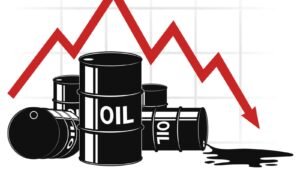
The planned bond issuance underscores Islamabad’s intention to tap external sources of financing even as no provision has been made for the Saudi Oil Facility in the upcoming budget.
The budget documents project zero inflows under the Saudi Oil Facility for FY27, compared with revised estimates of $1 billion for the outgoing fiscal year. The facility provided by Saudi Arabia expired in April 2026 and, although Pakistan has sought its continuation, no amount has been included in the new budget.
However, Saudi Arabia has raised its deposits with the State Bank of Pakistan to $8 billion, while Chinese deposits stand at another $4 billion, taking total bilateral deposits held at the central bank to $12 billion.
Pakistan expects to receive $4.866 billion from multilateral lenders in FY27. This includes $1.68 billion from the Asian Development Bank, $1.43 billion from the World Bank’s International Development Association, $1 billion in short-term financing from the Islamic Development Bank, and $530 million from the International Monetary Fund under its climate-related Resilience and Sustainability Facility.
The government has also budgeted $2.35 billion in foreign commercial loans and expects to raise $1.122 billion through Naya Pakistan Certificates.
Bilateral inflows are projected at $400.42 million, including $97.64 million from China, $47.18 million from Saudi Arabia and $23.89 million from the United States.
The external financing plan highlights Pakistan’s continued reliance on foreign inflows to meet its financing needs in the next fiscal year, while also showing a shift in composition as support under the Saudi Oil Facility remains absent from the budget.