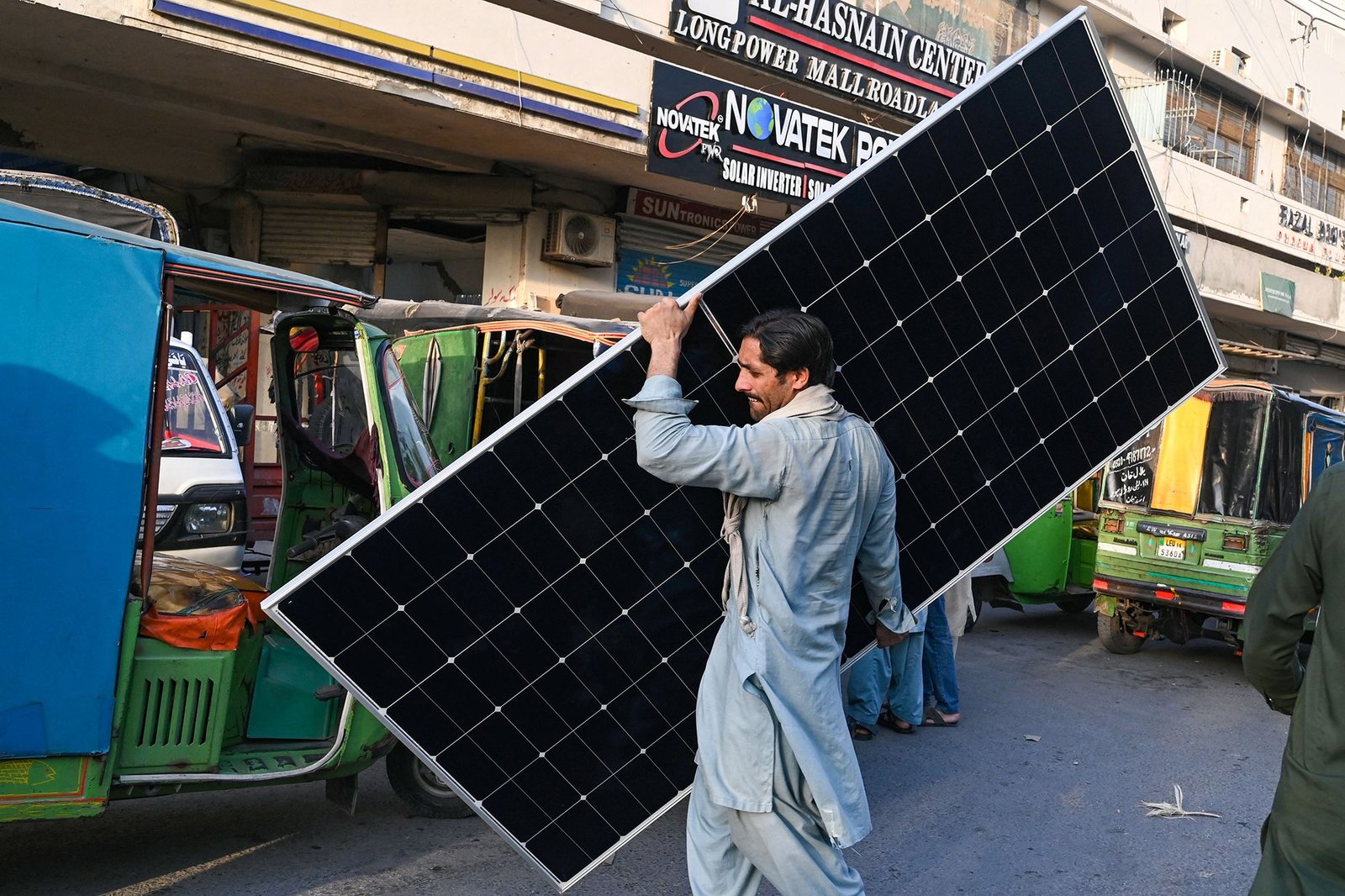
The Power Division has rejected a media report claiming that the government is considering higher electricity charges to discourage industrial consumers from shifting to solar power or reducing grid consumption.
In a statement, a spokesperson for the division said no proposal has been shared with the International Monetary Fund (IMF) to penalize industries that consume less than their sanctioned load or generate electricity through solar and other off-grid sources.
The spokesperson said the report misrepresents a tariff structure currently under review. According to the Power Division, the proposed framework is entirely voluntary and is intended to provide consumers with an additional pricing option rather than replace the existing tariff regime.
Under the proposal, consumers would have the choice of adopting a tariff with higher fixed charges and lower energy rates that vary across different time periods, including solar-generation and night-time hours. The model is designed to better match the consumption patterns of certain industrial users.
The Power Division noted that industries operating continuously with stable demand and high utilization levels could benefit from the alternative structure through greater cost predictability and potentially lower overall electricity expenses.
Consumers who find the proposed tariff unsuitable for their operations would be able to remain on the current tariff system without facing any additional charges or penalties, the statement added.
The spokesperson also said the author of the report had been informed before publication that the proposed tariff was optional. However, this clarification was not adequately reflected in the published story.
Rejecting suggestions that the proposal targets solar adoption, the Power Division said such claims are not supported by the actual policy under consideration and stem from an incorrect interpretation of the proposed mechanism.
The division urged stakeholders to base discussions on energy-sector reforms on accurate information, warning that portraying an optional tariff choice as a punitive measure could create unnecessary confusion among consumers and industry participants.