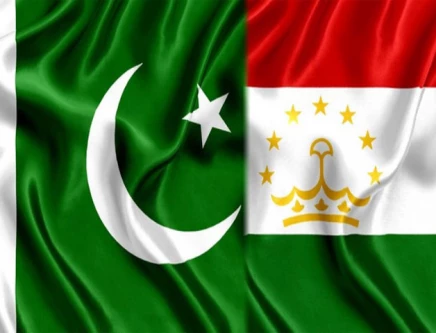
Pakistan and Tajikistan have agreed to a structured roadmap aimed at increasing bilateral trade to USD 200 million over the next three years, alongside broader cooperation in energy, trade, investment, agriculture, health, education, and technology, during the 8th session of the Joint Commission on Trade, Economic and Scientific-Technical Cooperation held in Dushanbe.
The Pakistani delegation was led by Sardar Awais Ahmad Khan Leghari, Federal Minister for Energy (Power Division), while the Tajik side was headed by Jum’a Daler Shofaqir, Minister of Energy and Water Resources. Officials from multiple Pakistani ministries and institutions also participated.
Both countries agreed to intensify trade and investment engagement through improved exchange of trade data, participation in trade fairs, and increased interaction between business communities. Plans were also agreed to organize trade delegations, B2B meetings, and virtual business platforms to strengthen commercial linkages.
A key outcome of the meeting was the decision to develop a three-year framework to expand bilateral trade to $200 million, supported by greater tariff transparency and identification of priority sectors for cooperation.
The two sides also welcomed progress on institutional agreements, including a memorandum of understanding between Tajikistan’s export agency and Pakistan’s Trade Development Authority. Discussions on a preferential trade arrangement were continued, with both sides agreeing to expedite its finalization. Cooperation on government-to-government procurement between relevant state entities was also endorsed.
Energy cooperation remained central, with both sides reviewing progress on the CASA-1000 power project and stressing the need for its timely completion. They also agreed to participate in an upcoming joint working group meeting in Istanbul in June 2026 to resolve outstanding technical and commercial matters.
Tajikistan also expressed interest in facilitating exploration and investment opportunities for Pakistan’s oil and gas companies, including access to technical data. Both sides agreed to enhance cooperation in training and technical capacity building for the energy sector.
In industry and services, both countries discussed potential joint ventures in pharmaceuticals, footwear, artificial leather, chemicals, and light manufacturing. Pakistan also offered training programs in digital skills, freelancing, and e-commerce for Tajik professionals.
Agriculture cooperation was expanded with agreements on exchange of agricultural data, seasonal trade, and testing of high-yield crop varieties such as wheat, cotton, potatoes, and vegetables. Both sides committed to preparing a 2026–2028 agriculture cooperation plan covering plant health and veterinary collaboration.
In the health sector, cooperation will focus on pharmaceutical registration, medical supplies, technical training, and possible joint production of medical equipment.
Educational and scientific cooperation was also strengthened, with emphasis on university linkages, joint research, and collaboration in water management, hydropower, agriculture, and environmental sciences.
Both sides also discussed expanding cooperation in tourism, culture, youth exchange, and sports, with focus on mountain tourism and Silk Route heritage promotion.
The session concluded with both countries reaffirming commitment to deepening bilateral economic and strategic cooperation and implementing agreed initiatives.