



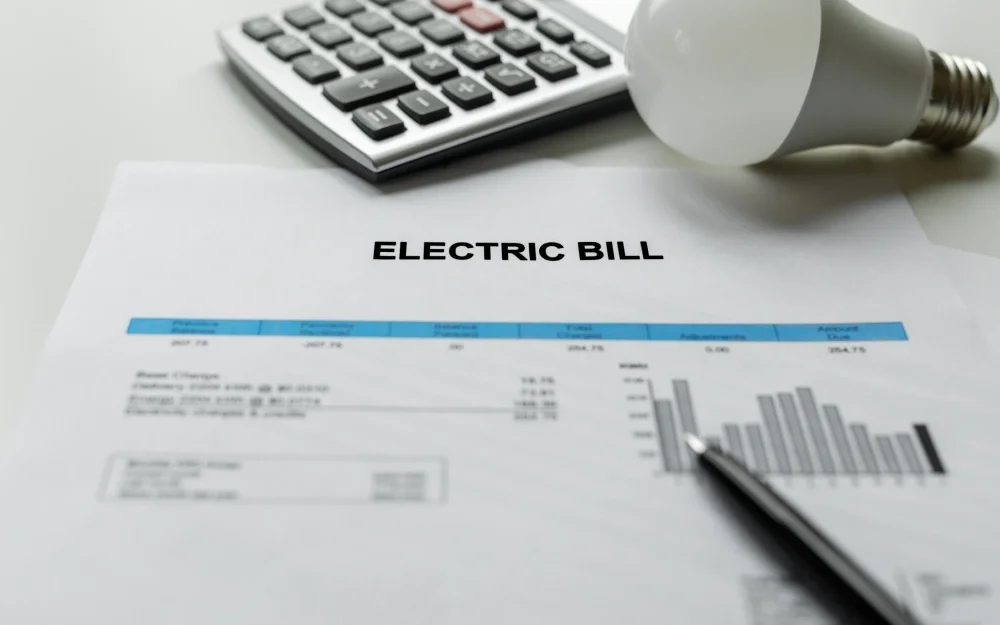
Pakistan has assured the International Monetary Fund that it will replace the existing electricity subsidy regime for low-consumption households with a targeted mechanism from January 2027 as part of broader power-sector and fiscal reforms linked to external financing.
Under the proposed plan, the current subsidy available to households consuming up to 200 units of electricity will be phased out and replaced with a targeted system based on data from the Benazir Income Support Programme. Officials said the new framework is intended to ensure that relief reaches low-income households while preventing abuse of the present structure.
The existing arrangement has long faced criticism over misuse, with some consumers allegedly installing multiple meters to keep individual consumption below the subsidised threshold.
The commitment comes ahead of a meeting of the IMF Executive Board in Washington on May 8, where Pakistan is expected to seek approval for the release of the second tranche of $200 million under the Resilience and Sustainability Facility.
Officials said the government was working with the World Bank to develop the new subsidy mechanism by linking electricity consumers with the National Socio-Economic Registry database. The targeted subsidy is expected to be implemented after completion of verification checks and development of a payment framework.
According to officials, the government plans to hire an external firm by the end of the current month to put in place the payment mechanism for the proposed subsidy.
In addition to electricity-sector reforms, Pakistan has also committed to expanding the digital e-Abiana irrigation service charge system to Sindh, Khyber Pakhtunkhwa and Balochistan after its implementation in Punjab. The system is expected to be rolled out in these provinces by the end of August 2027.
The government is also working with the World Bank to introduce irrigation water tariff adjustment mechanisms in Punjab and Sindh by February 2027 in an effort to improve recovery of operation and maintenance costs.
These measures are part of a wider set of reform commitments shared with the IMF under the first review of the Resilience and Sustainability Facility programme. As part of these steps, the State Bank of Pakistan issued guidelines in December 2025 for managing climate-related financial risks, while the Securities and Exchange Commission of Pakistan introduced guidance for listed companies on disclosure of climate-related risks and opportunities.
Officials said Pakistan had also informed the IMF that work was underway on a framework for coordinating federal and provincial disaster risk financing needs under a national disaster risk financing strategy, with completion targeted by the end of August 2026.