The Economic Coordination Committee (ECC) of the Cabinet has approved the revised second phase of the Pakistan Accelerated Vehicle Electrification (PAVE) Program under the NEV Policy 2025–30, paving the way for expanded electric mobility across the country.
The programme, supported by a Rs. 9.0 billion allocation for FY2025–26, is structured on a revenue-neutral basis and funded through the New Energy Vehicles Adoption Levy Act 2025.
For the current fiscal year, the overall target stands at 119,170 vehicles, including 116,000 electric bikes and 3,170 rickshaws and loaders. Following a pilot phase of 41,000 vehicles, the revised second phase will now focus on 76,000 electric bikes and 2,170 rickshaws and loaders.
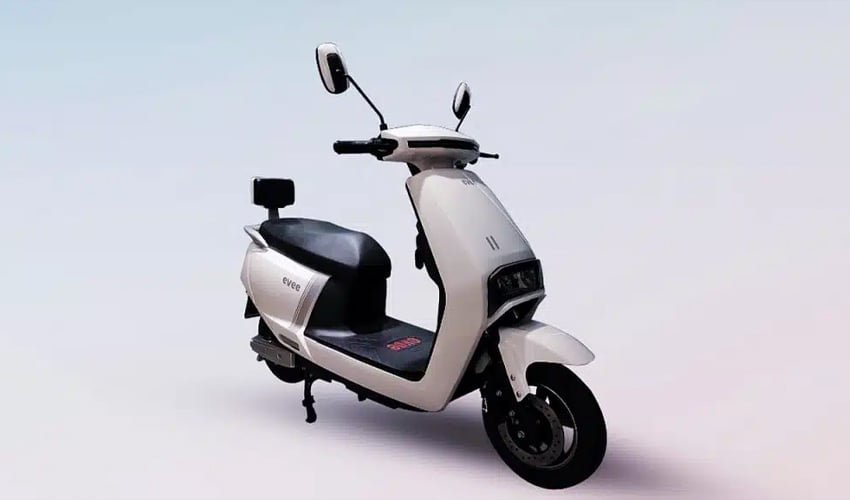
The ECC also endorsed a fast-track rollout plan to deploy 100,000 electric bikes within three months to accelerate adoption. The plan will utilise around 130,000 CKD kits available in the system, while a fixed subsidy of Rs. 80,000 per electric bike will be transferred directly to approved manufacturers. Distribution will be carried out in structured batches to ensure transparency and timely delivery.
Officials estimate that the accelerated rollout will help reduce fuel consumption by around 8.6 million litres of petrol in the short term, with projected long-term savings of up to USD 222 million over five years.
In addition, the government will provide 600 free electric bikes to top-performing students from the 2025 Higher Secondary School Certificate examinations across all 26 education boards, as part of a merit-based incentive programme.
To improve efficiency, the ECC approved replacing the balloting system with a first-come, first-served mechanism, giving priority to pending applicants from the first phase. The subsidy process has also been streamlined, allowing buyers to pay reduced upfront costs while subsidies are directly transferred to manufacturers after verification.
A revised financing facility for federal employees in lower grades has also been introduced, offering low down payments and interest-free instalments recovered through payroll deductions.
The programme will now also include overseas Pakistanis, institutional financing channels, fleet operators, and housing-linked partnerships to broaden participation.
Verification procedures have been shifted to a risk-based model using biometric checks and digital confirmation to reduce costs and improve efficiency.
Officials said the first phase of the programme attracted over 269,000 applications, reflecting strong public demand, while the self-finance model achieved a 99.6% delivery success rate, indicating improved execution outside traditional banking channels.