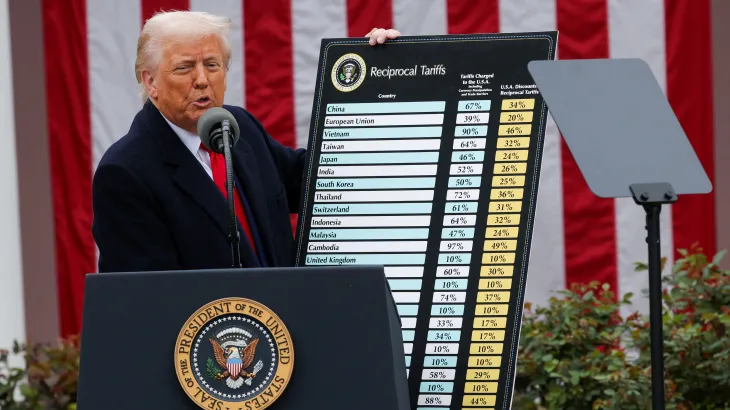
The administration of President Donald Trump has rolled out a new system to begin refunding approximately $166 billion in tariffs to US importers after the Supreme Court ruled earlier this year that the levies were unlawful, according to US media reports.
US Customs and Border Protection has introduced a digital platform called CAPE to manage what is expected to be one of the largest repayment operations in US trade history. The system replaces the traditional entry-by-entry refund procedure with consolidated electronic payments designed to speed up processing.
Trade specialists say companies will still be required to submit refund claims, but the centralized system significantly reduces administrative hurdles.
Michael Lowell, a partner at international law firm Reed Smith, described CAPE as a fast-track mechanism intended to accelerate repayments. He said approved refunds could be issued within 60 to 90 days of filing, meaning early applicants may begin receiving payments between mid-June and mid-July.
Officials noted that the current rollout represents only the first phase of the refund initiative, and not all importers or tariff categories will qualify immediately.
The refunds stem from a February Supreme Court decision that invalidated the tariffs, triggering a massive repayment obligation for duties collected during the policy’s enforcement period. Businesses are now expected to move quickly to recover billions of dollars paid under the disputed measures.
Tariffs operate as taxes on imported goods, typically paid upfront by US importers. These costs are often transferred through supply chains, raising prices for wholesalers, retailers, and consumers across industries ranging from electronics to industrial materials.
Despite the legal setback, analysts say tariffs will remain central to US trade strategy. Lowell noted that the administration has already imposed new duties under an alternative legal authority, Section 122, though those measures are also facing court challenges.
He added that many tariffs introduced during Trump’s earlier presidency continued under subsequent administrations, underscoring the enduring role of protectionist trade policies in Washington. Companies are now being urged to revise contracts and clearly assign tariff liability and refund rights as ongoing legal battles and policy shifts continue to reshape global trade rules.