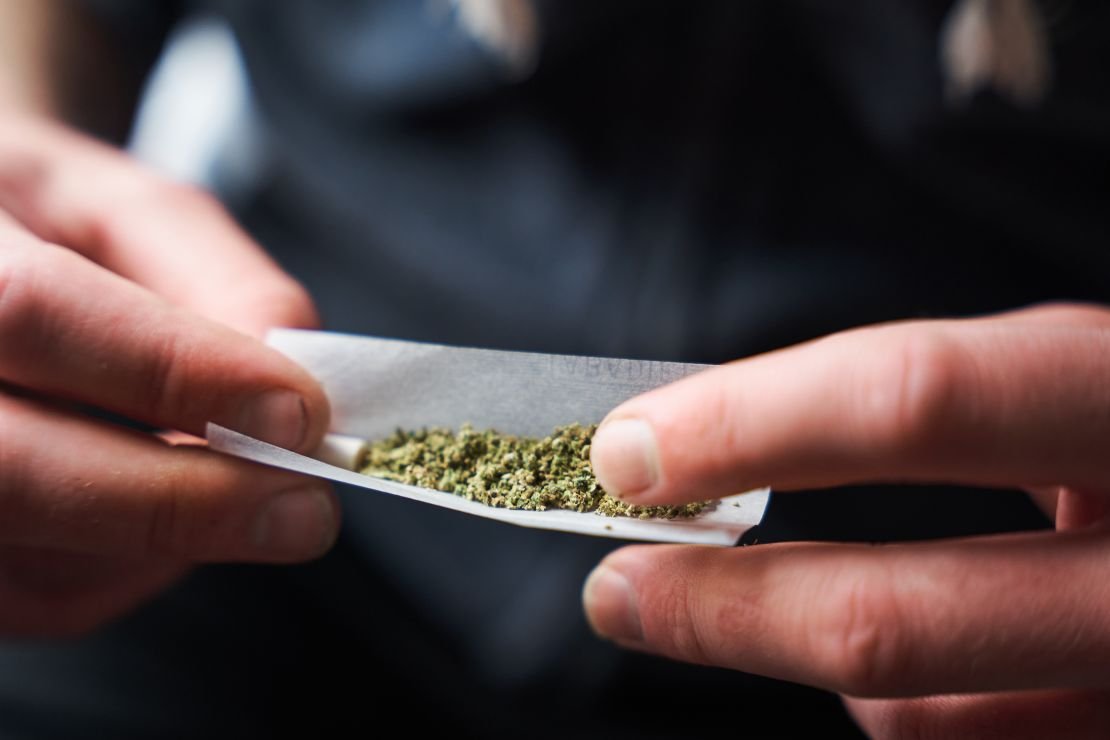
Health experts say the human body begins adjusting surprisingly fast once a person stops using cannabis, with noticeable physical and mental changes appearing within the first week.
Cannabis — also known as marijuana — remains one of the most commonly used recreational substances worldwide. While many users associate it with relaxation and stress relief, medical professionals warn that regular use can still lead to dependency in some individuals.
Research indicates that although not every user develops addiction, a portion of consumers may experience cannabis use disorder, particularly those who begin using the drug at a young age.
Withdrawal Begins Quickly
Doctors say withdrawal symptoms can start within one to three days after quitting. During this period, the brain reacts to the sudden absence of THC, the psychoactive compound responsible for cannabis’ effects.
Typical early symptoms include:
- Anxiety or irritability
- Headaches
- Excessive sweating
- Nausea and stomach discomfort
- Mood fluctuations
Sleep disturbance is among the most common complaints, with many former users reporting insomnia during the first week.
The First Week Adjustment
By the third or fourth day, the body begins recalibrating natural sleep and emotional regulation systems. This phase can feel uncomfortable, but specialists stress that it is temporary and signals recovery rather than harm.
Most symptoms gradually ease after the first week, though recovery speed depends on usage history and THC levels remaining in the body.
Long-Term Benefits
Medical professionals note that quitting cannabis can eventually improve concentration, sleep quality, lung health, and overall mental clarity. While the initial withdrawal phase may be challenging, experts say the long-term health advantages far outweigh short-term discomfort.