



Pakistan is poised to see a sharp improvement in its foreign exchange position next week, with State Bank reserves expected to increase by approximately $2.5 billion following fresh external inflows from Saudi Arabia and a return to international bond markets after a prolonged gap.
The country received $2 billion in financial support from Saudi Arabia, followed by an additional $500 million raised through a Eurobond issuance in global capital markets. Together, these inflows are expected to provide a meaningful boost to external buffers and ease near-term pressure on the rupee.
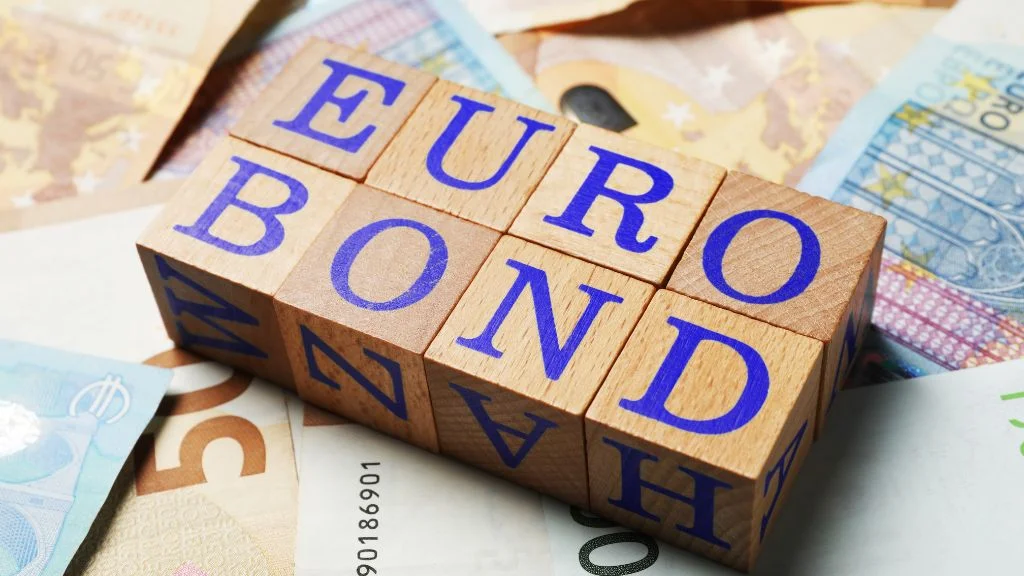
In a significant development, Pakistan has re-entered international debt markets after about four years, issuing a three-year $500 million Eurobond under its Global Medium-Term Note programme. The bond reportedly drew strong investor demand despite ongoing global financial uncertainty, marking the country’s first commercial borrowing from international investors in years.
Officials say the transaction restores Pakistan’s access to global capital markets and reopens a key financing channel that had been constrained during periods of economic stress and high borrowing costs.
The Eurobond proceeds are expected to add liquidity to the sovereign yield curve and help establish pricing benchmarks for future external borrowing. Authorities are also exploring additional funding options, including a potential international Sukuk issuance and the planned rollout of a Panda Bond programme to diversify financing sources.
Pakistan had largely remained absent from global bond markets since its balance-of-payments challenges restricted commercial borrowing. The latest issuance signals a cautious return of investor confidence as macroeconomic conditions show gradual stabilization.
Analysts note that while the immediate reserve boost provides short-term relief for policymakers, sustaining stability will depend on continued fiscal discipline, structural reforms, and consistent external financing inflows in the months ahead.