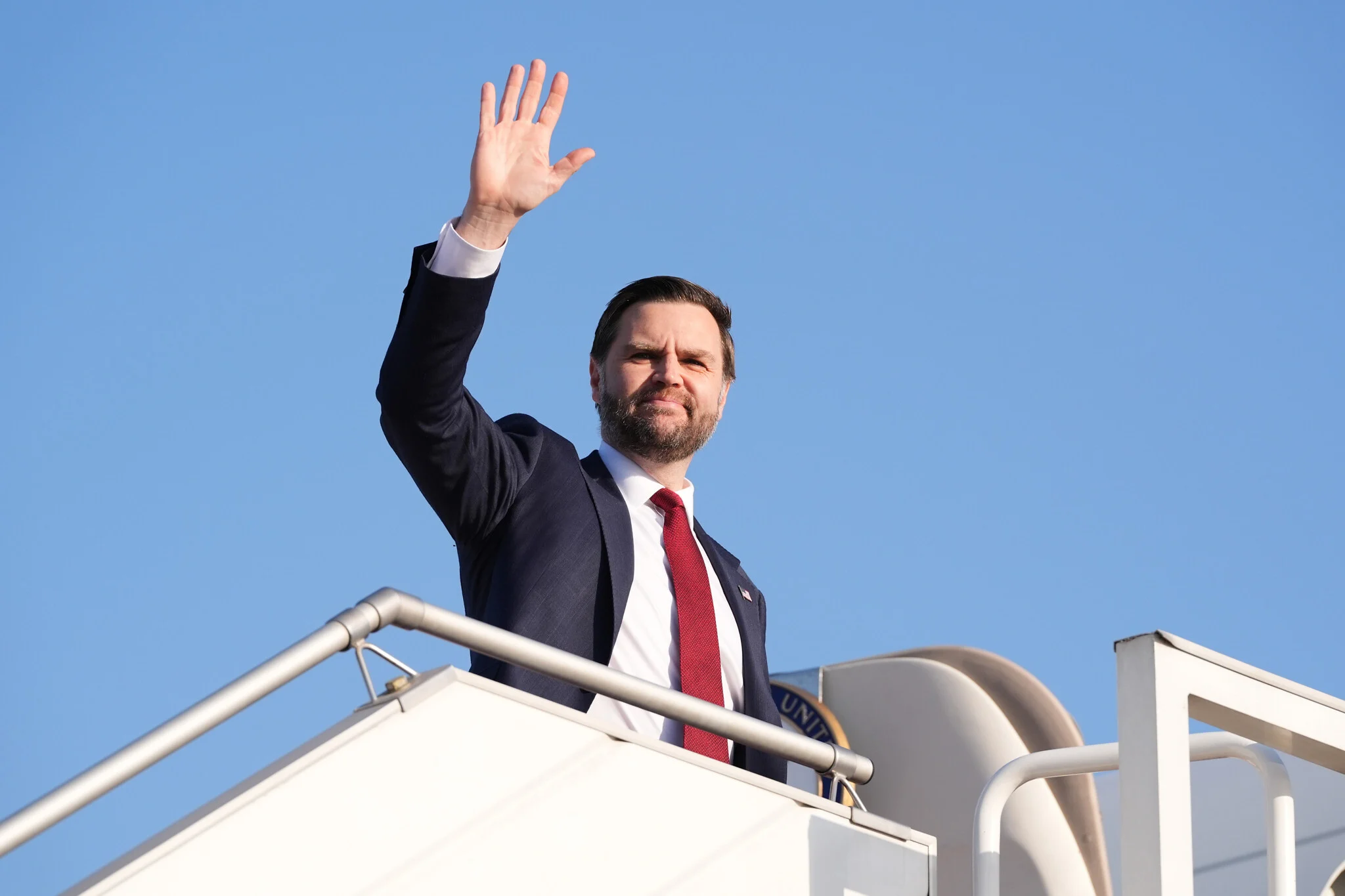
High-level negotiations between the United States and Iran concluded without an agreement on Sunday after nearly 21 hours of intense discussions in Pakistan, with U.S. Vice President JD Vance announcing that the American delegation was returning to Washington empty-handed.
Addressing reporters before departing Islamabad, Vance said the talks failed to produce a breakthrough because Iran refused to accept key American conditions. He emphasized that Washington’s primary demand remained a clear and verifiable commitment from Tehran to abandon any pursuit of nuclear weapons or the technological capacity needed to rapidly develop them.
“The United States made its red lines clear,” Vance said, adding that the absence of an agreement would ultimately carry greater consequences for Iran than for the United States.
Iranian media, however, blamed the stalemate on what officials described as unrealistic American expectations. Statements from Tehran indicated that while political negotiations had paused, technical teams from both sides may continue exchanging proposals in an effort to keep diplomatic channels open.
The Islamabad meeting represented a rare moment of direct engagement between senior officials from Washington and Tehran — the first such encounter in more than a decade and the most senior contact since the aftermath of the 1979 Iranian Revolution.
The American delegation included presidential envoy Steve Witkoff and senior adviser Jared Kushner, while Iran’s negotiating team was led by Parliamentary Speaker Mohammad Baqer Qalibaf and Foreign Minister Abbas Araqchi.
Iranian officials arrived in mourning attire, paying tribute to figures killed during the ongoing conflict, including victims linked to a disputed U.S. airstrike near a military site that remains under Pentagon investigation.
Diplomatic sources described the atmosphere inside the negotiations as volatile, with discussions shifting repeatedly between cautious progress and sharp disagreements.
The failure to secure a deal now raises uncertainty over a fragile two-week ceasefire between the two adversaries. Despite global concern surrounding the Strait of Hormuz — a critical corridor for roughly 20 percent of the world’s oil shipments — the U.S. side offered no indication that the talks produced progress toward reopening the strategic waterway.