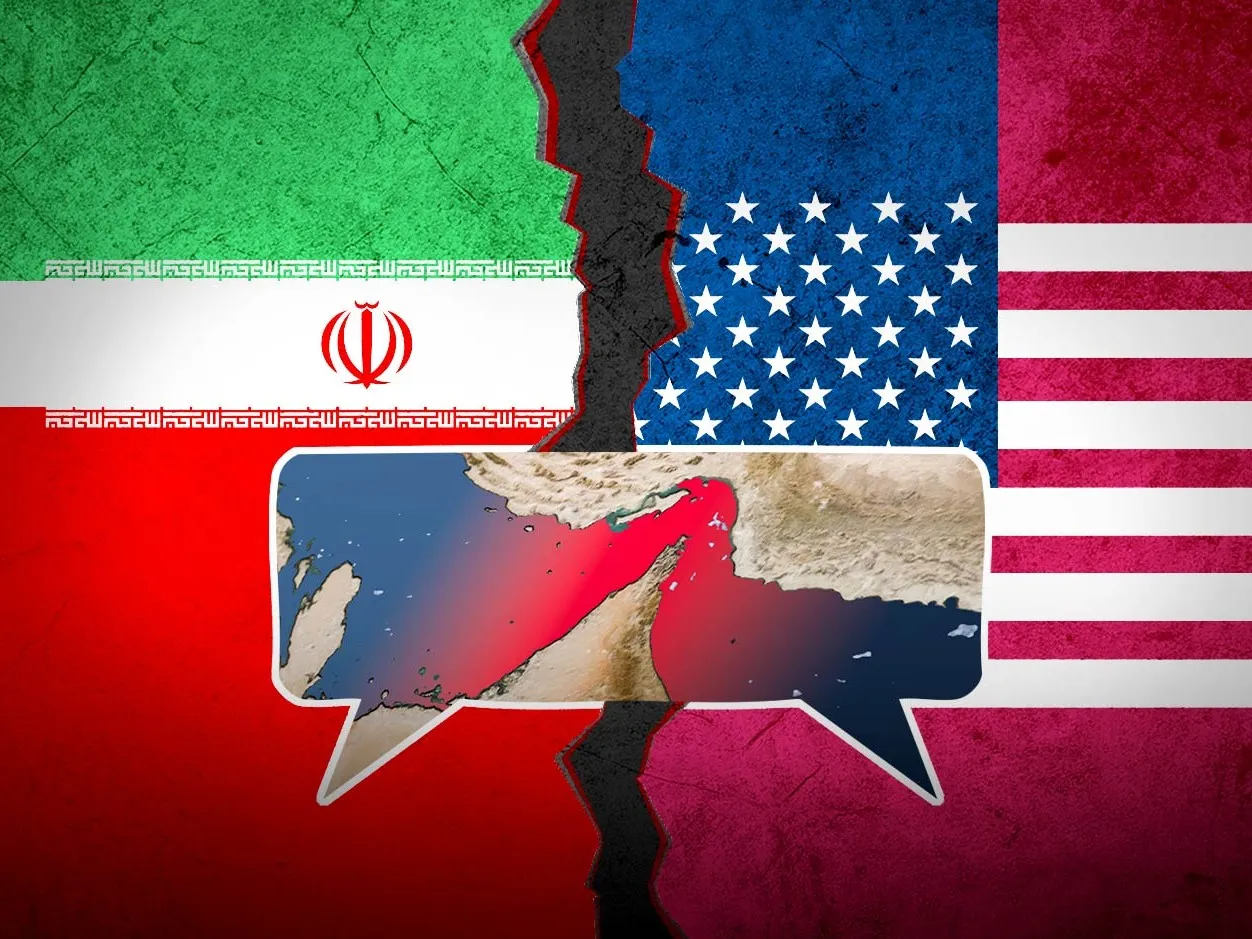
Iran has rejected a US-proposed ceasefire and continues its military campaign against Israel and Gulf states, dealing a setback to Washington’s efforts to quickly end a conflict that is shaking regional stability and global markets.
Tehran has ruled out indirect negotiations for now, calling the proposal impractical under current conditions. According to officials cited by local media, Iran is focused on securing its strategic goals and will only consider ending the war once those objectives are met, rather than agreeing to an immediate ceasefire.
The US has reportedly put forward a detailed peace framework, relayed to Iran through Pakistan, reflecting growing urgency in Washington to contain a war that has intensified over the past month. However, significant gaps remain between both sides.
Markets reacted swiftly to the developments, with global oil prices surging toward $100 per barrel. The spike follows disruptions in the Strait of Hormuz, a critical route for global energy supplies, raising concerns over a wider supply shock, inflation risks, and potential food security challenges.
Fighting on the ground shows no signs of easing. Iran has launched additional missile and drone strikes, while Gulf states have reported interceptions and damage from aerial attacks, including a strike that ignited a fuel facility in Kuwait.
The US proposal is said to include restrictions on Iran’s nuclear program, renewed international monitoring, limits on missile capabilities, and guarantees for secure shipping routes. In exchange, Tehran would be offered relief from economic sanctions.
Washington has maintained that any agreement must ensure Iran cannot develop nuclear weapons. While US leadership has expressed hope for a near-term deal, the chances of a breakthrough remain uncertain given the ongoing hostilities and lack of direct engagement.