



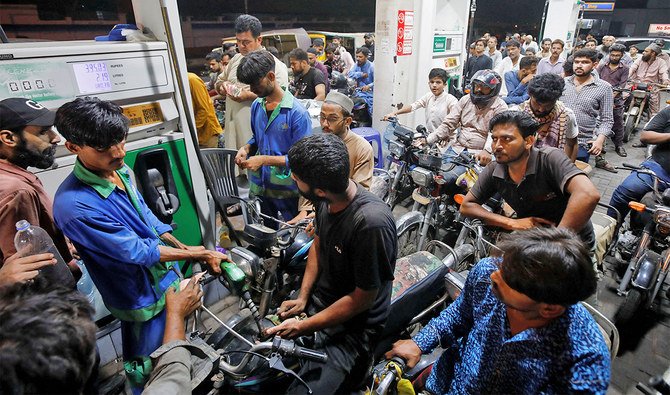
The Oil Marketing Association of Pakistan (OMAP) has urged immediate policy reforms to ease growing financial and operational pressures on oil marketing companies (OMCs), warning that the existing Price Differential Claims (PDC) system could lead to serious disruptions in fuel supply if not addressed without delay.
In separate letters addressed to Federal Minister for Energy Sardar Awais Ahmad Laghari and the Chairman of the Oil and Gas Regulatory Authority, OMAP Chairman Tariq Wazir Ali described conditions in the downstream petroleum sector as “increasingly unsustainable.”
While acknowledging government efforts to maintain price stability and ensure market discipline amid a challenging regional environment — particularly in light of tensions involving the United States, Israel, and Iran — the association said these measures have helped protect the economy and secure energy supplies.
However, OMAP warned that the current framework for PDC is imposing a heavy financial strain on OMCs. It noted that PDC levels have climbed to around Rs78 per litre on petrol and Rs176 per litre on diesel, sharply reducing margins and effectively turning oil companies into intermediaries responsible for stabilizing prices without adequate financial backing.
The association added that frequent and unpredictable weekly price changes have further complicated financial planning, inventory control, and pricing strategies. It recommended a shift toward a more stable pricing cycle and the timely settlement of claims to reduce uncertainty.
OMAP also pointed to serious cash flow constraints, highlighting that companies are required to settle PDC-related obligations within very short deadlines, often within a week. In a high-interest rate environment with limited access to bank financing, arranging such liquidity has become increasingly difficult and costly.
The situation is especially concerning for smaller and emerging OMCs, many of which face the risk of shutting down operations. This could weaken competition, cause supply bottlenecks, and affect fuel availability nationwide.
The association further raised concerns over regulatory overlap and enforcement issues, stating that the involvement of multiple agencies in operational matters has created confusion and disrupted smooth business activity. It called for a clearly defined regulatory framework to avoid duplication and ensure efficient compliance.
OMAP warned that if these challenges persist, they could lead to fuel shortages, financial stress across the sector, reduced investment in the downstream industry, and adverse effects on agriculture and the broader economy, particularly during periods of high demand.
To address the situation, OMAP proposed a range of measures, including setting up a centralized PDC management system under the State Bank of Pakistan, extending payment deadlines to up to 15 days, enabling low-cost financing through commercial banks, and the immediate release of approved margins.
It recommended forming a joint legal and policy review committee involving both government and industry stakeholders to develop a long-term, sustainable framework, along with convening a high-level meeting after Eid.
Reaffirming its commitment to uninterrupted fuel supply, OMAP urged authorities to take swift and decisive action, warning that any delay in policy reforms could escalate the situation into a full-scale fuel supply crisis.