Escalating tensions in the Middle East could create significant economic challenges for Pakistan, with global crude oil prices potentially climbing to between $120 and $150 per barrel under a worst-case scenario, according to a new report by the Pakistan Institute of Development Economics.
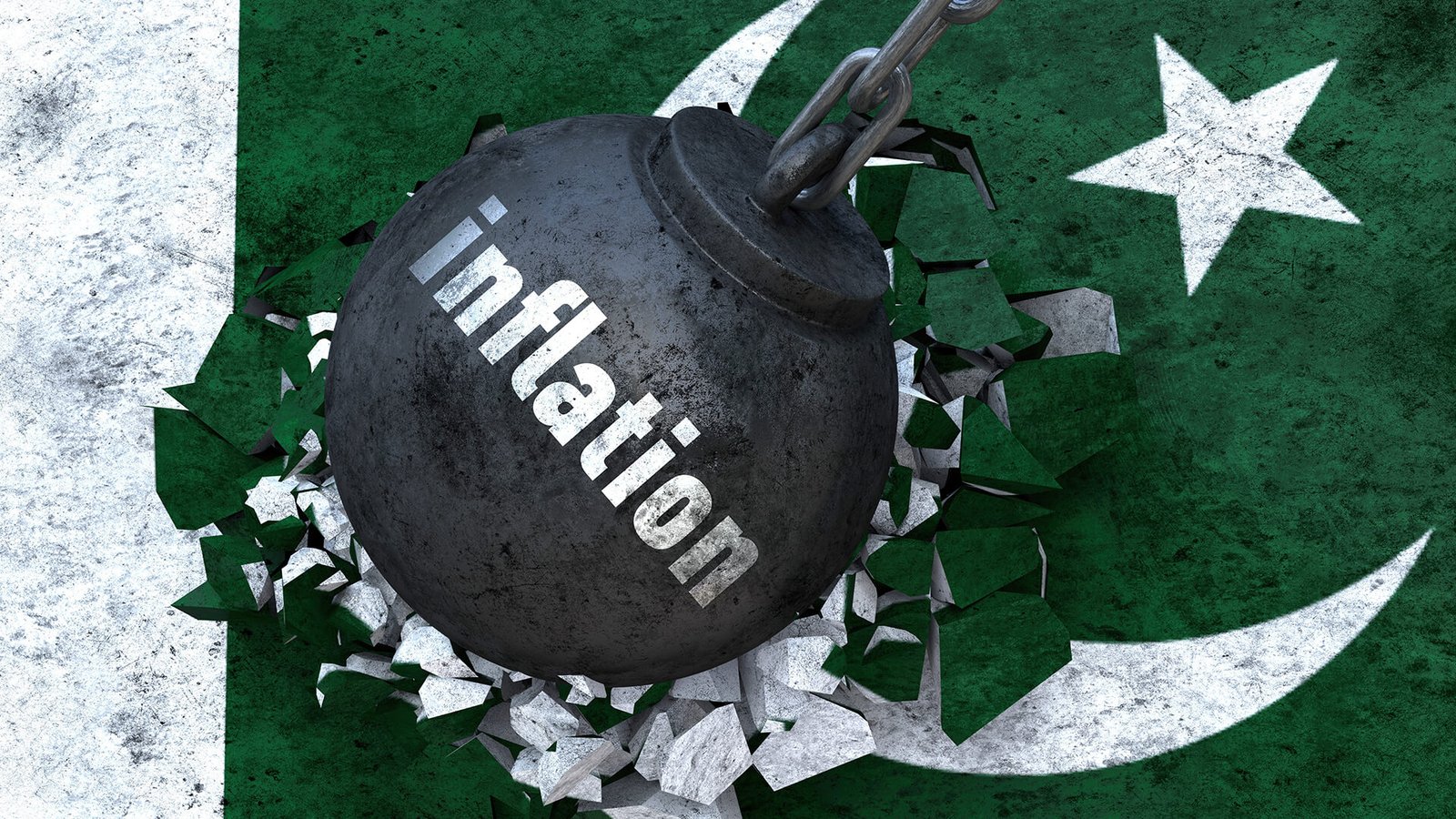
The study cautions that any disruption to oil shipments through the Strait of Hormuz could sharply increase domestic inflation. Pakistan’s inflation rate, currently hovering near 7 percent, could jump to between 15 and 17 percent if energy supplies through the critical maritime route are affected.
Higher oil prices would also significantly raise Pakistan’s energy import costs. The report estimates that the country’s monthly oil import bill could climb to between $3.5 billion and $4.5 billion if international prices surge.
Petroleum products make up nearly 30 percent of Pakistan’s total imports, leaving the economy highly exposed to volatility in global energy markets. Economists cited in the study estimate that every $10 per barrel increase in oil prices can add roughly $1.8 billion to $2 billion to Pakistan’s annual import bill.
The report also outlines multiple scenarios based on different price ranges. If crude prices remain between $92 and $110 per barrel, inflation could rise to 10–15 percent while Pakistan’s import bill may increase by $8 billion to $10 billion.
In a more severe situation involving a three-month disruption in oil supply routes, inflation could surge to between 15 and 18 percent. Under such conditions, the country’s oil import bill may rise by $18 billion to $36 billion, putting substantial pressure on the current account and widening the trade deficit.
Pakistan imports approximately 80 to 85 percent of its petroleum requirements, most of which arrive from Gulf producers via the Strait of Hormuz. Any interruption along this route could delay shipments, increase freight and insurance costs, and further strain the country’s external balance.
Energy security concerns are compounded by Pakistan’s limited petroleum reserves. The country currently maintains stocks sufficient for only about 10 to 14 days of consumption. In comparison, regional economies such as India maintain strategic reserves capable of covering roughly 65 to 70 days.
To reduce these vulnerabilities, the report urges policymakers to diversify crude import sources, expand strategic petroleum reserves, accelerate investment in renewable energy, and explore alternative supply routes to lessen dependence on a single maritime corridor.