



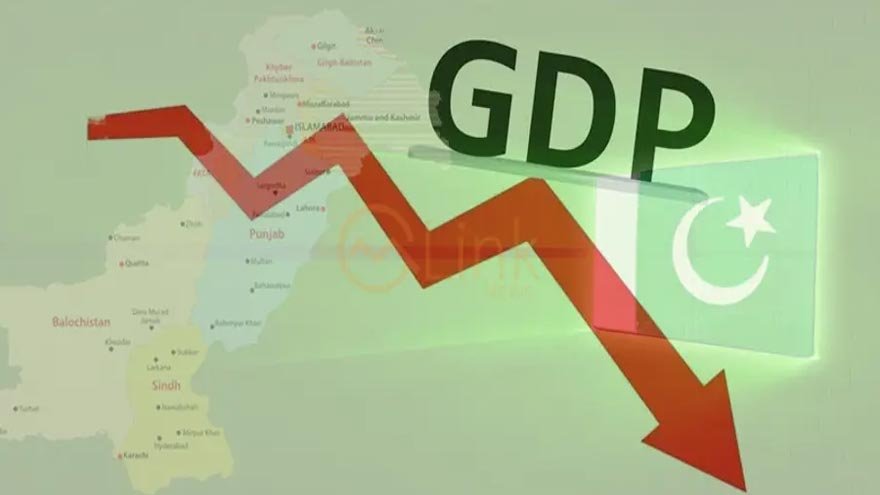
Pakistan could face climate-related economic losses equivalent to up to 6 percent of its gross domestic product by 2050 if immediate mitigation measures are not implemented, according to a new study released by the Competition Commission of Pakistan (CCP).
The report warns that Pakistan remains among the countries most exposed to climate risks, with increasingly frequent floods, prolonged heatwaves and growing water shortages posing serious threats to long-term economic stability.
Titled Unlocking Green Potential: A Market Competition Study of Solar Energy in Pakistan, the study stresses that accelerating the transition toward clean energy — particularly solar power — is essential to limit economic damage and strengthen climate resilience.
Despite strong natural advantages, solar energy accounts for only about 2 percent of Pakistan’s electricity generation. The report highlights a significant gap between the country’s vast solar potential and its current level of utilization, especially in sun-rich regions such as Balochistan and Sindh.
The CCP identified solar energy as one of the most practical solutions for reducing emissions, improving energy security and lowering electricity costs while supporting sustainable economic growth.
The study also pointed to major opportunities in rural and agricultural areas, where solar technologies could provide reliable electricity, reduce dependence on costly conventional fuels and improve farm productivity.
However, the report noted that expansion of solar energy continues to face structural challenges, including weak transmission and distribution networks, inconsistent policy direction and limited financing options. Without coordinated reforms and clearer market incentives, the commission warned, Pakistan risks missing a critical window to reduce climate vulnerability and protect future economic growth.