




Finance Minister Muhammad Aurangzeb has said Pakistan’s remittance inflows remain stable so far despite escalating tensions in the Middle East and growing fears of economic spillovers from the US-Israeli conflict with Iran.
Addressing the National Assembly, the finance minister noted that concerns about overseas inflows were understandable given regional instability, particularly because nearly 40 to 50 percent of Pakistan’s remittances originate from Gulf Cooperation Council (GCC) countries. However, he said no disruption has been observed at this stage.
Aurangzeb said the government is closely tracking remittance trends and analysing how sensitive these flows could be to prolonged geopolitical tensions. Officials are also evaluating potential implications for Pakistan’s balance of payments position and current account outlook.
While remittances have remained unaffected, he acknowledged that the conflict has already created economic pressures in other areas. Rising oil and gas import costs, higher freight and insurance expenses, and constraints in vessel availability are increasing external sector risks.
The minister said authorities are conducting daily reviews to assess global developments and compare policy responses adopted by countries across South Asia and Southeast Asia dealing with similar challenges.
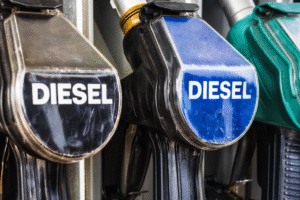
He added that the government had previously extended a blanket fuel subsidy worth Rs. 129 billion to cushion consumers from energy price shocks. The policy has now shifted toward targeted relief measures aimed at motorbike users, public transport operators, and small-scale farmers, with payments already being disbursed.
Aurangzeb emphasised that economic monitoring will continue as the regional situation evolves, with the government focused on protecting external stability while managing rising energy-related costs.