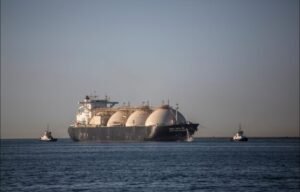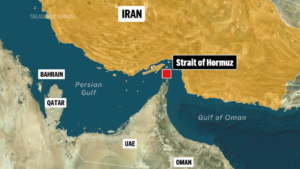




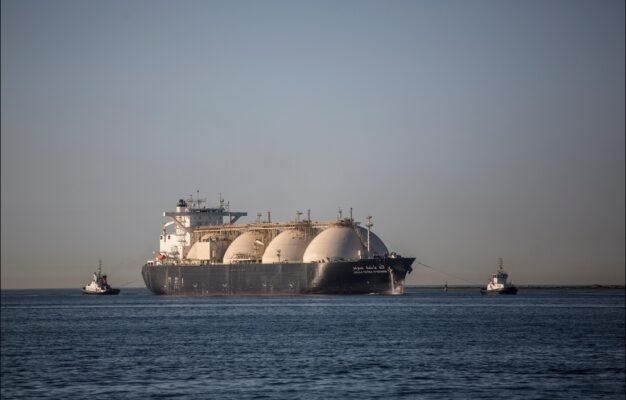
Pakistan is confronting a deepening energy emergency as liquefied natural gas (LNG) supplies from the Gulf come under severe strain following regional conflict.
Disruptions to shipments from QatarEnergy and producers in the United Arab Emirates have exposed Pakistan’s heavy reliance on Gulf imports. The country sourced nearly all of its LNG from Qatar last year, leaving it particularly vulnerable to sudden supply shocks.
Despite entering 2026 with excess LNG due to subdued demand, the situation has rapidly reversed after production setbacks in Qatar. Supply interruptions are now constraining operations at both of Pakistan’s LNG terminals, which are running at sharply reduced capacity.
Officials warn that one terminal could exhaust its available LNG within days, with the risk of a complete shutdown by the end of the month if fresh cargoes are not secured.
Earlier efforts by Islamabad to manage supply included requests to QatarEnergy to divert 24 cargoes and attempts to reschedule deliveries from suppliers such as Eni. However, tightening global markets following the Gulf conflict have undermined those plans.
Emergency procurement attempts from alternative sources—including Europe, the United States, Oman, Azerbaijan, and African suppliers—have largely failed due to soaring costs. Spot LNG prices have surged to roughly $23 per MMBtu, about double pre-conflict levels, while higher freight rates and longer shipping routes have compounded the pressure.
With LNG supplies constrained, Pakistan may be forced to increase reliance on more expensive and less efficient fuels such as furnace oil to sustain power generation.
Industry leaders, including executives at Pakistan GasPort, caution that the disruption could have lasting consequences. Without a swift stabilization in global supply, Pakistan may face prolonged energy insecurity stretching well beyond the current year.