The government is changing its borrowing strategy by replacing short-term loans with longer-term debt, aiming to reduce refinancing risks and lower the cost of servicing public debt.
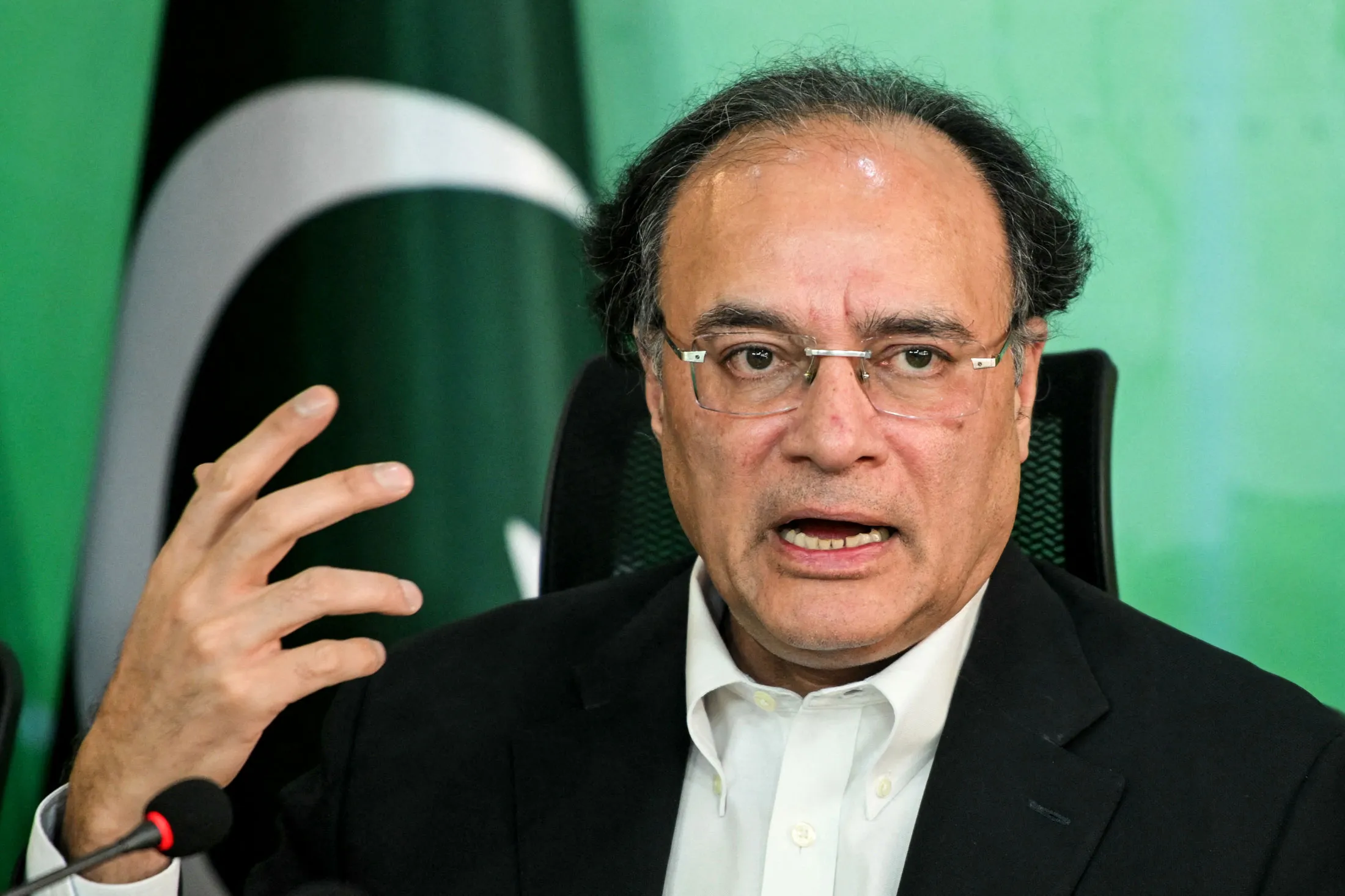
Finance Minister Muhammad Aurangzeb told the Senate Standing Committee on Finance on Wednesday that the government was moving towards borrowing for periods of five to ten years instead of relying heavily on short-term financing.
He said Pakistan had previously faced the challenge of refinancing domestic debt every three months, exposing government finances to changes in interest rates. Longer repayment periods would help reduce the pressure of frequent rollovers and provide greater stability.
Finance Secretary Imdadullah Bosal informed the committee that Pakistan’s public debt had climbed to Rs. 86.7 trillion in FY2026, compared with Rs. 24.9 trillion in FY2018.
Despite the growing debt stock, the government has managed to reduce its interest payment burden. Interest payments, which consumed 61 percent of government revenue in FY2023-24, have fallen to 35 percent.
The government’s annual interest expenditure also declined from Rs. 8.9 trillion in FY2024-25 to Rs. 6.9 trillion in FY2025-26, reducing the burden by around Rs. 2 trillion.
Bosal said the improvement was the result of better debt management and a stronger primary balance, rather than changes in interest rates alone.
The average maturity of domestic debt has also improved, increasing from 2.7 years in June 2024 to 3.8 years in June 2026. The government plans to extend it to 4.2 years by FY2028.
Domestic debt stood at Rs. 58.8 trillion in August 2026, down Rs. 684 billion from June, while external debt remained broadly stable at $98.2 billion.
The finance secretary said Pakistan’s gross external debt servicing requirement for FY2027 was estimated at $21.5 billion, comprising $17.5 billion in principal repayments and $4 billion in interest.
Bilateral rollovers and commercial refinancing have reduced the estimated net external payment requirement to around $11 billion.
Aurangzeb said Pakistan was also working to reduce its reliance on foreign borrowing and avoid returning to international lenders for emergency financial assistance. He added that the country’s foreign exchange reserves had reached $21.5 billion, covering approximately three months of imports.