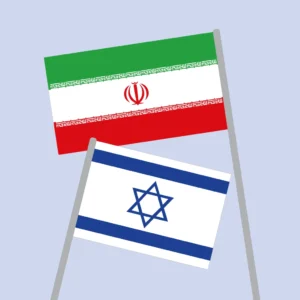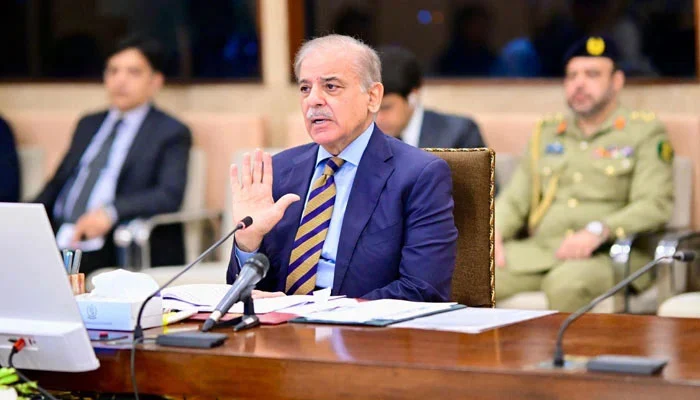
Prime Minister Shehbaz Sharif has established a high-level National Coordination and Management Council to steer Pakistan through the economic and internal security risks emerging from the ongoing Middle East conflict.
The new body is designed to serve as a centralized decision-making platform, enabling rapid policy responses as regional instability continues despite Pakistan’s diplomatic role in facilitating a ceasefire.
Officials said the council will coordinate national responses across economic, financial, trade, and security sectors, replacing multiple overlapping committees that had been operating independently in recent weeks — a system authorities believe slowed urgent decision making.
The council has been tasked with monitoring potential internal security challenges, including possible refugee inflows, population displacement risks, and the spread of misinformation linked to regional tensions. Managing public narratives and countering disinformation campaigns will form a key part of its mandate.
An executive committee co-chaired by Ahad Khan Cheema and Lt Gen Zafar Iqbal will lead operational oversight, bringing together representatives from federal ministries, provincial administrations, and special regions.
During its inaugural meeting, the committee approved the export of surplus furnace oil after confirming domestic energy needs were fully secured. The decision followed warnings from local refineries facing storage shortages due to reduced consumption.
The formation of the council comes after joint civil-military contingency planning aimed at safeguarding Pakistan’s energy security in case attacks or instability disrupt Gulf oil infrastructure.
Officials revealed that Pakistan has explored alternative fuel supply routes from countries such as Russia and Nigeria. However, shipping disruptions could extend tanker delivery times to as long as 30–35 days, increasing logistical and pricing risks.
The council will maintain continuous oversight of foreign exchange reserves, currency stability, commodity supply chains, freight costs, and remittance flows through real-time digital monitoring systems. The oversight is considered crucial as Pakistan prepares to meet external debt repayments totaling $4.8 billion this month.
Meanwhile, remittance inflows declined five percent year-on-year in March to $3.8 billion, though overall remittances for July to March still recorded an 8.2 percent increase, reaching $30.3 billion and remaining a key pillar of external stability.
Beyond immediate crisis management, the council has also been assigned longer-term responsibilities, including diversifying trade partnerships, securing alternative import sources, maintaining strategic fuel reserves, and preparing targeted subsidy programs to cushion vulnerable populations against potential economic shocks.