




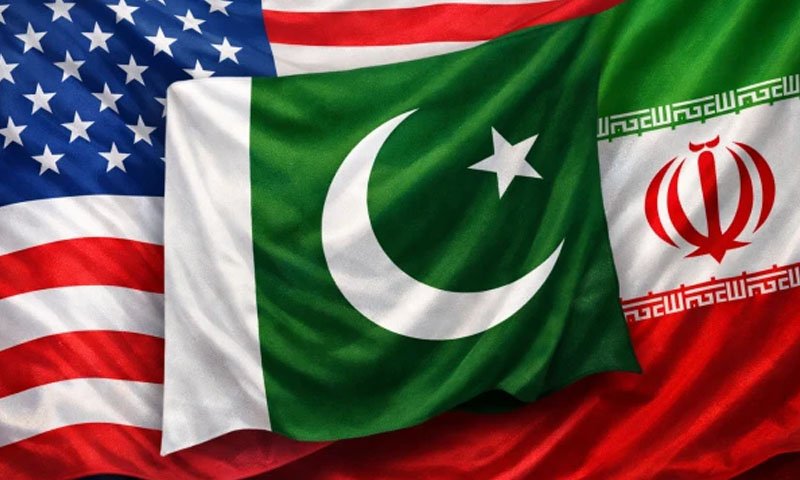
The United States and Iran have agreed to a two-week ceasefire aimed at halting escalating hostilities, with Pakistan playing a central diplomatic role in efforts to push both sides toward a broader settlement.
US President Donald Trump announced that Washington would suspend bombing operations and military strikes against Iran under a temporary arrangement designed to create space for negotiations. He described the pause as an opportunity to transform a limited truce into a comprehensive political agreement.
According to Trump, the decision followed high-level contacts with Pakistani Prime Minister Shehbaz Sharif and Pakistan Army Chief Asim Munir, who urged restraint and encouraged diplomatic engagement. The ceasefire remains conditional on Iran ensuring the immediate and secure reopening of the Strait of Hormuz, a critical global oil transit route.
Trump said Washington had received a 10-point framework from Tehran that could serve as the foundation for negotiations, adding that major areas of disagreement had already narrowed. US officials also indicated that Israel had agreed to suspend its aerial campaign during the proposed ceasefire period.
However, the situation appeared volatile within minutes of the announcement, as Israeli forces reported incoming missiles launched from Iranian territory, highlighting the uncertainty surrounding the truce.
Iran signalled cautious acceptance of the arrangement. Foreign Minister Abbas Araghchi said Iran would halt defensive military operations if attacks against its territory ceased. Tehran also indicated that limited navigation through the Strait of Hormuz could resume for two weeks under coordination with Iranian armed forces and subject to technical conditions.
Iranian officials said Pakistan had conveyed that the United States accepted Tehran’s 10-point proposal as the basis for talks. Negotiations between Iranian and US representatives are expected to begin in Islamabad on April 11, initially scheduled for two weeks with the possibility of extension by mutual agreement.
Tehran emphasised that negotiations alone would not mark the end of the conflict, warning that any lasting settlement depends on full agreement over the details of the proposed framework. Iranian authorities maintained that the country remains prepared to respond militarily if hostilities resume.
The ceasefire proposal represents a significant shift after earlier warnings from Washington of severe consequences if Iran failed to reopen the strategic waterway. Pakistan has emerged as the primary diplomatic intermediary between Washington and Tehran in recent weeks, facilitating exchanges aimed at securing an immediate halt in fighting followed by wider political negotiations.
The Strait of Hormuz carries roughly one-fifth of global oil shipments, making its reopening crucial not only for regional stability but also for international energy markets already rattled by the conflict. US officials expressed hope that the temporary pause could evolve into a longer-term agreement capable of easing tensions across the Middle East.