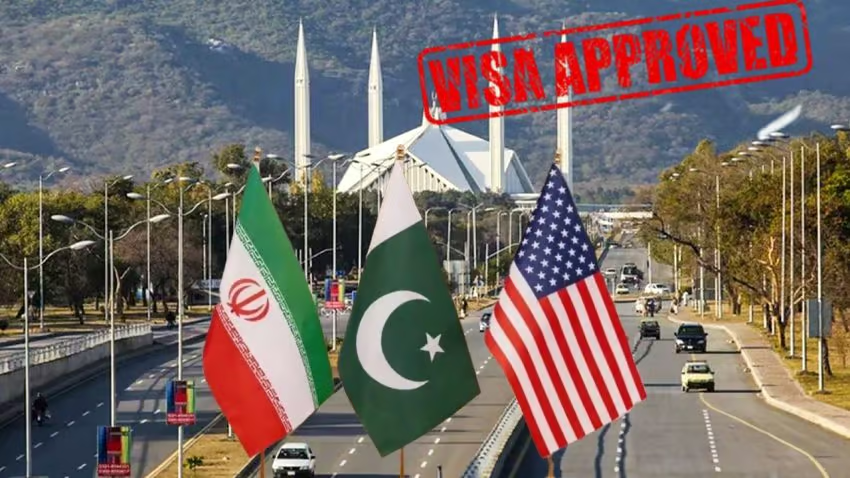




Oil markets saw their sharpest decline since tensions with Iran escalated in late February after the United States and Iran agreed to a temporary two-week ceasefire, easing immediate fears of supply disruptions in global energy markets.
Brent crude for June delivery slid to $95.57 per barrel, while West Texas Intermediate (WTI) for May delivery fell to $96.99 per barrel, both retreating into the mid-$90 range. The pullback came after reports that Tehran had permitted safe passage for commercial vessels through the Strait of Hormuz during the ceasefire period.
The temporary truce is aimed at creating space for formal peace negotiations, which are expected to be held in Pakistan. However, market analysts remain cautious, warning that the recent price correction may be excessive and that crude could rebound sharply if geopolitical tensions flare up again.
According to Standard Chartered, oil prices are likely to remain $10–$20 per barrel above pre-crisis levels due to persistent supply risks, shipping uncertainties, and continued strategic reserve accumulation. The bank also highlighted that uncertainty over safe passage through the Strait of Hormuz continues to drive up insurance premiums and freight costs.
It further estimated that around 426 oil tankers, 34 LPG carriers, and 19 LNG carriers are currently stranded near the strait, underscoring the scale of ongoing disruption. Analysts added that Iran’s influence over maritime traffic is unlikely to be acceptable for Gulf producers over the long term.
While oil markets remain highly sensitive to geopolitical developments, the outlook for natural gas appears comparatively more stable. Rising US LNG export capacity expected in 2026 could help offset potential supply losses from the Middle East, easing pressure on global gas markets.