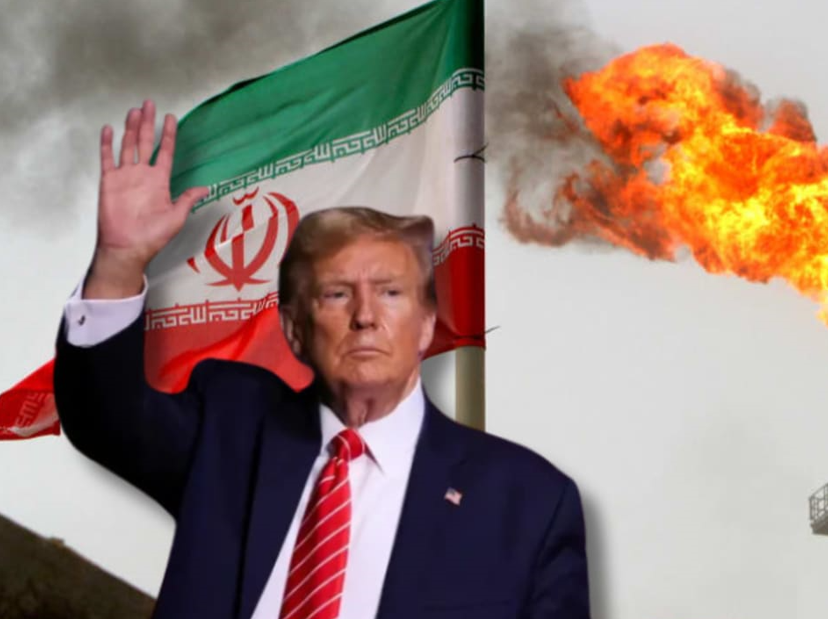
Oil markets moved higher on Thursday after renewed tensions surrounding the Strait of Hormuz raised concerns that the recently announced ceasefire linked to U.S.–Iran negotiations may be fragile.
Reports circulating in regional media suggested Iran was reassessing its commitments to the ceasefire, arguing that ongoing Israeli military operations in Lebanon undermined the spirit of de-escalation efforts. Speculation intensified that Tehran could withdraw from the arrangement if hostilities continued.
The White House dismissed claims that Iran had officially blocked the Strait of Hormuz. Press Secretary Karoline Leavitt said President Donald Trump had been briefed on the reports but described them as incorrect.
Even without confirmation, uncertainty surrounding the vital maritime corridor unsettled global energy markets. The Strait of Hormuz remains one of the world’s most critical oil transit routes, handling a significant share of international crude shipments.
Market sentiment also weakened after reports emerged of attacks affecting Saudi Arabia’s East-West pipeline, which currently serves as the kingdom’s main export alternative to Gulf shipping lanes. The pipeline transports roughly five million barrels of oil per day to the Red Sea port of Yanbu.
Following an earlier drop triggered by ceasefire optimism, oil prices rebounded as traders priced in renewed geopolitical risk. Brent crude rose to approximately $97 per barrel, while U.S. benchmark West Texas Intermediate traded near the same level, both posting gains compared with the previous trading session.
President Donald Trump earlier indicated that American forces would remain deployed across the Middle East until a comprehensive and enforceable agreement is fully implemented, underscoring continued military readiness amid regional uncertainty.