



Oil prices have surged past $115 per barrel, triggering renewed concerns that escalating tensions surrounding the Iran war could push US inflation higher and unsettle global financial markets.
Economic models suggest that if crude prices remain at current levels for roughly the next seven weeks, US consumer price inflation could rise toward 3.7%, potentially reaching its highest level since September 2023. Analysts warn that energy costs are once again emerging as a major driver of price pressures across the economy.
Since fighting began on February 28, American consumers have already absorbed a significant financial hit at the pump. Estimates indicate fuel spending has increased by about $240 million per day, translating into roughly $8.6 billion in additional costs over the past 36 days alone.
Economists now place their base-case outlook for US inflation near 3.0%, but caution that projections are trending upward as geopolitical uncertainty drags on.
Markets Turn Cautious
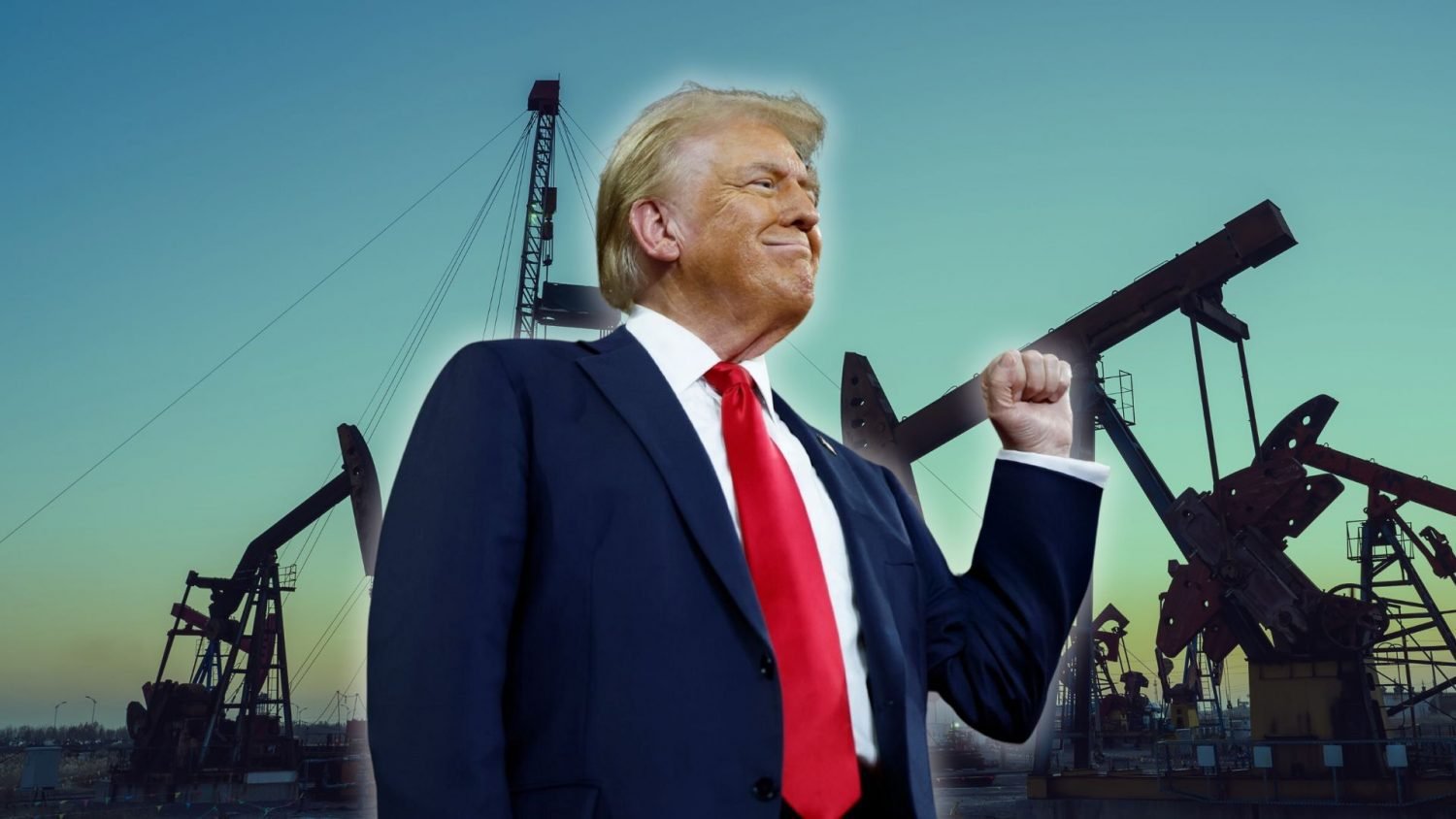
Financial markets reacted negatively as geopolitical risks intensified. US stock futures declined at the opening bell after President Donald Trump designated Tuesday as “Power Plant and Bridge Day” in Iran — a move interpreted by investors as signaling possible escalation.
Early trading showed:
- S&P 500 futures down 0.7%
- Nasdaq 100 futures lower by 0.8%
- Dow Jones futures falling 0.7%
Meanwhile, energy markets surged, with WTI crude gaining 3% and natural gas rising modestly. Gold prices slipped nearly 1% as traders repositioned ahead of potential developments.
With roughly 50 hours remaining before Trump’s stated deadline, volatility across equities, commodities, and currency markets has intensified.