Oil prices surged more than 7% on Monday to climb above $100 a barrel after the United States said it would begin enforcing a blockade on maritime traffic entering and exiting Iran’s ports, raising fears of supply disruptions through the Strait of Hormuz.
Brent crude futures rose $6.71, or 7.05%, to $101.91 a barrel by 0104 GMT after settling 0.75% lower on Friday. U.S. West Texas Intermediate crude climbed $7.59, or 7.86%, to $104.16 a barrel, reversing a 1.33% loss in the previous session.
The gains followed comments by Donald Trump that the U.S. Navy would begin blockading maritime traffic linked to Iran after talks between Washington and Tehran failed to produce an agreement to end weeks of fighting in the region, putting a fragile two-week ceasefire at risk.
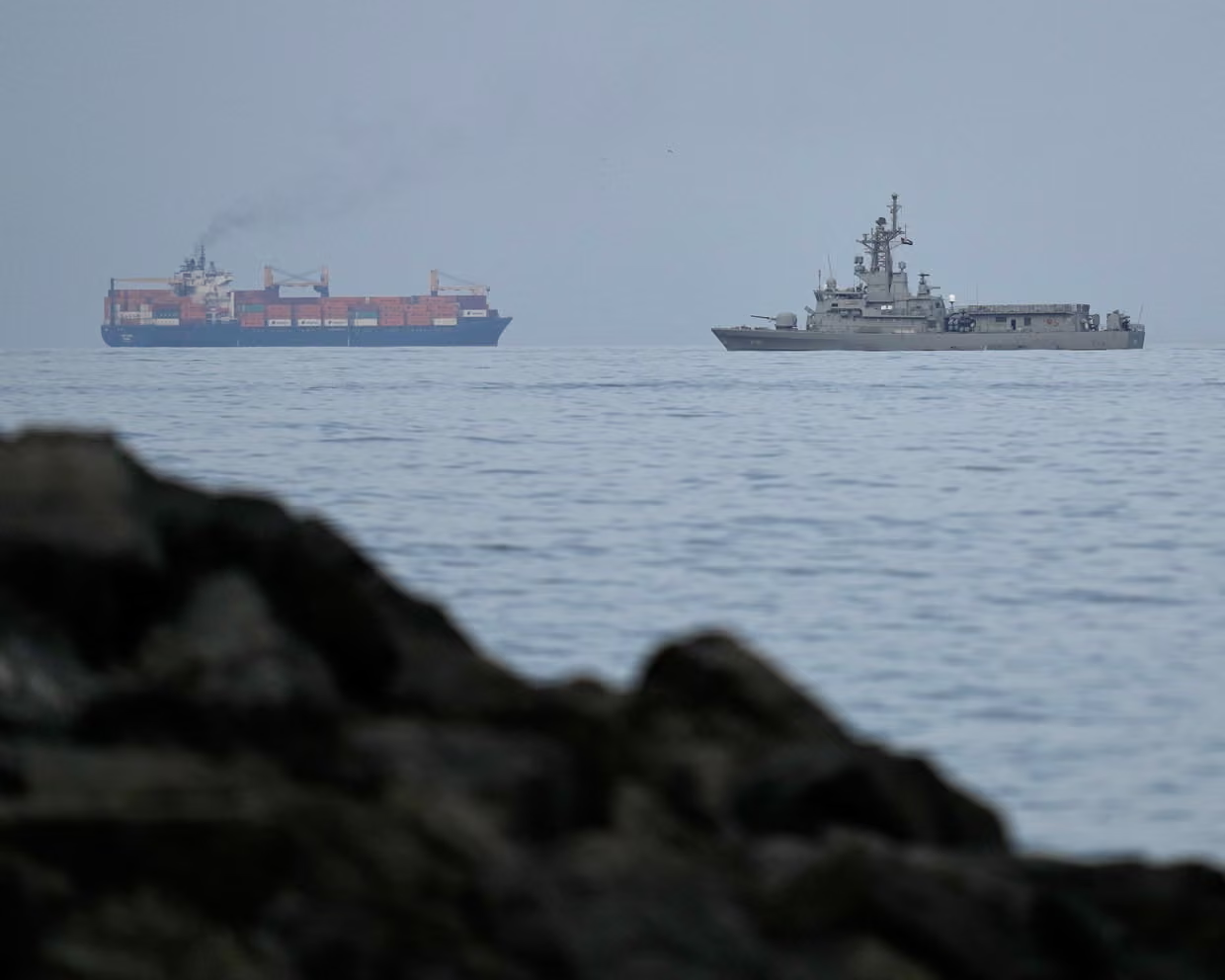
U.S. Central Command said the blockade would take effect at 10 a.m. ET (1400 GMT) on Monday and would apply to vessels entering or leaving Iranian ports along the Arabian Gulf and the Gulf of Oman. It added that ships transiting the Strait of Hormuz to and from non-Iranian ports would not be impeded.
“The market is now largely back to conditions before the ceasefire, except now the U.S. will block the remaining up to 2 million barrels per day Iranian-linked flows through the Strait of Hormuz as well,” said Saul Kavonic, head of energy research at MST Marquee.
The Strait of Hormuz is one of the world’s most critical oil chokepoints, handling roughly one-fifth of global oil shipments. Any disruption to flows through the waterway can quickly tighten global supplies and push prices higher.
Iran’s Revolutionary Guards warned on Sunday that any military vessels approaching the strait would be considered a violation of the ceasefire and would be dealt with “harshly and decisively,” raising the risk of further escalation.
Despite the tensions, shipping data showed three fully laden supertankers transited the strait on Saturday, appearing to be the first vessels to leave the Gulf since the ceasefire agreement was reached last week.
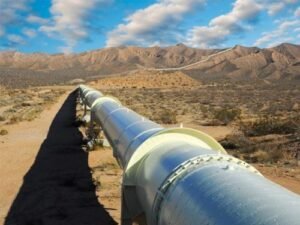
Separately, Saudi Arabia said it had restored full oil pumping capacity through its East-West pipeline to about 7 million barrels per day, days after assessing damage to its energy facilities during attacks linked to the conflict.
Analysts said the U.S. move could effectively curb Iranian crude exports and increase pressure on Tehran’s buyers and allies, while keeping oil markets on edge as traders monitor developments in the region.