



Global oil markets are on high alert as JP Morgan warns that crude prices could soar to $150 per barrel if disruptions at the Strait of Hormuz persist through mid-May. In the short term, the investment bank predicts oil could hit $120–$130 per barrel.
On Thursday, U.S. benchmark WTI Crude surged past Brent Crude, settling at $111.50 per barrel, while Brent closed at $109, as markets shut for Good Friday.
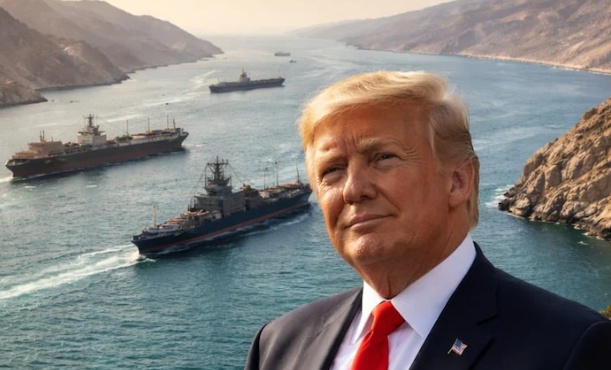
The Strait of Hormuz, a strategic chokepoint for about 20% of the world’s daily oil and LNG shipments, has seen dramatically reduced traffic since March. Iran is currently permitting only select vessels, keeping energy flows tightly restricted.
Even if full access resumes immediately, analysts say it could take three to six months for production and refining to return to pre-crisis levels, according to June Goh, Senior Oil Market Analyst at Sparta Commodities.
Diplomatic efforts are underway to ease the bottleneck. Over three dozen countries joined a UK-hosted virtual meeting this week, exploring sanctions and coordinated international pressure to ensure free passage and halt Iran’s imposition of fees on vessels, UK Foreign Secretary Yvette Cooper stated.
However, no immediate resolution appears likely, prolonging the supply squeeze. Consultancy FGE NexantECA warned that oil could spike to $200 per barrel if the strait remains mostly closed for six more weeks. Macquarie Group analysts echoed the warning, forecasting record highs if the Middle East conflict drags through the second quarter.
With the Strait of Hormuz still effectively locked down, the global oil market faces the prospect of record prices, threatening energy costs worldwide.