A Chinese-Canadian professor has cautioned that the ongoing conflict involving Iran is unlikely to end in the near term and could evolve into a prolonged war with serious global economic consequences.
In an interview with Tucker Carlson, the academic said the conflict may expand geographically and develop into a long-duration crisis, drawing parallels with the Russia-Ukraine War.
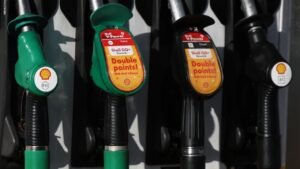
He warned that a sustained escalation could significantly disrupt global oil supplies, potentially pushing crude prices up to $200 per barrel. Such a surge, he noted, would likely drive up transportation and production costs worldwide, intensifying inflationary pressures.
The professor added that higher energy costs could also strain global food systems. Rising fuel and fertilizer prices, along with increased logistics costs, may reduce food availability and affordability, raising the risk of shortages in several regions.
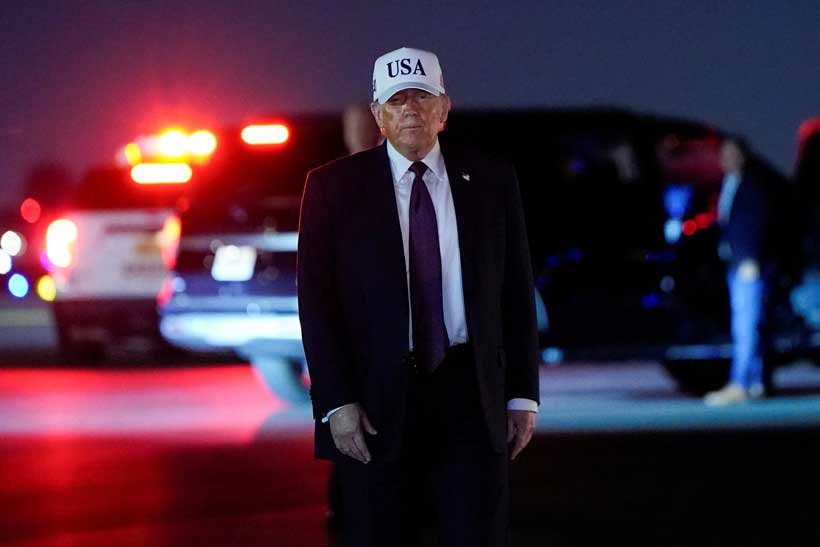
According to his analysis, the United States is already deeply involved in the situation and may find it difficult to disengage. He suggested that any effort to end the conflict could lead Iran to demand compensation and call for a full U.S. military withdrawal from the Middle East.
He further argued that a potential U.S. exit from the Gulf could have wider financial implications, including pressure on the dollar’s dominance in global oil trade. A shift away from dollar-based transactions, he said, could weaken a key pillar supporting the American economy.
The remarks represent one perspective but reflect increasing concerns over the potential for escalating tensions in the Middle East to disrupt global energy markets and economic stability.