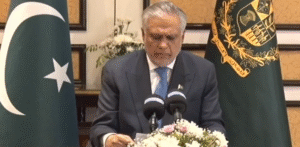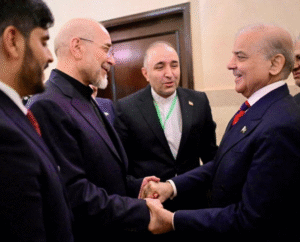




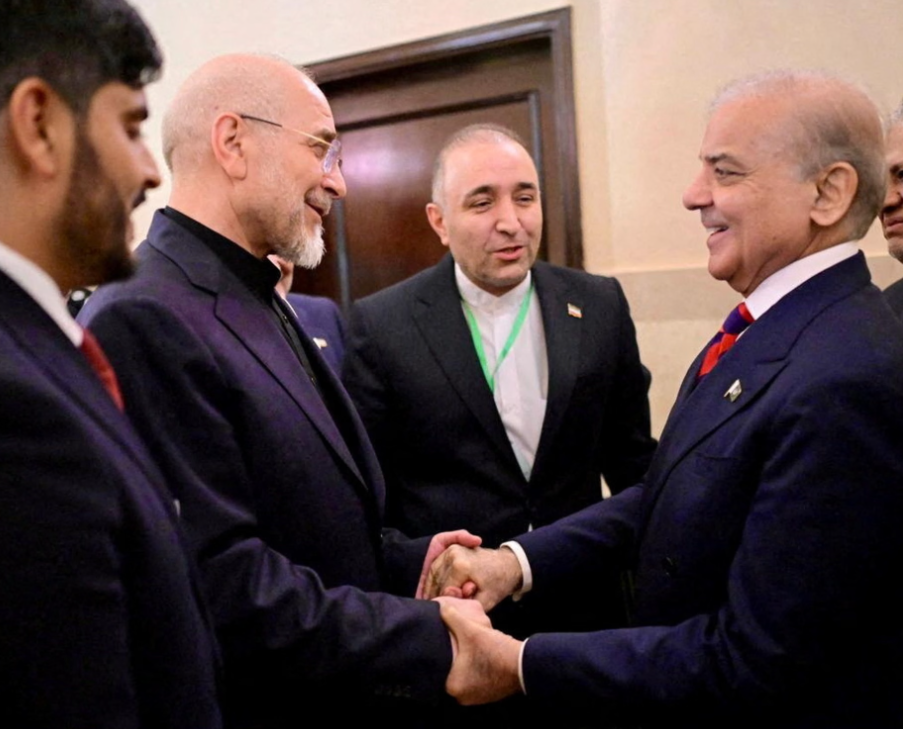
Hopes for a diplomatic breakthrough between Washington and Tehran faded Sunday after Iran signaled it does not intend to continue negotiations following the conclusion of high-level talks with the United States in Pakistan.
U.S. Vice President JD Vance announced that the American delegation was departing Islamabad without an agreement after nearly 21 hours of negotiations failed to bridge major differences between the two sides. The discussions were widely viewed as a critical attempt to stabilize a fragile ceasefire and prevent further escalation in the region.
Speaking before leaving Pakistan, Vance said Washington had clearly outlined its conditions, stressing that the United States sought firm guarantees that Iran would neither develop nuclear weapons nor obtain capabilities enabling rapid nuclear escalation. According to U.S. officials, Iranian negotiators declined to accept those terms, leaving the talks at an impasse.
Iranian media later reported that Tehran currently has no plans to resume negotiations with the United States, blaming what officials described as excessive American demands for the collapse of diplomacy. Earlier optimism that technical teams might continue discussions appears to have faded following the failed political talks.
The Islamabad meeting marked the first direct engagement between senior American and Iranian officials in more than a decade, raising expectations that months of rising tensions could give way to a broader diplomatic process. Instead, the breakdown has injected fresh uncertainty into regional security calculations.
Financial markets reacted swiftly to the news. Investors had pushed equities higher in anticipation of a peace agreement, but analysts now warn that stalled diplomacy could trigger higher oil prices and renewed volatility in global stocks when trading resumes.
Attention has turned to U.S. President Donald Trump, who remained in close contact with negotiators throughout the discussions. Market observers and diplomats alike are watching for Washington’s next move — whether it involves renewed diplomatic outreach or a tougher strategic response toward Iran.
Despite the setback, analysts note that negotiations between longtime rivals often restart after periods of deadlock, leaving open the possibility that diplomacy could eventually resume even as tensions rise in the short term.