



Iran has effectively turned the Strait of Hormuz into a toll-controlled waterway managed by the Islamic Revolutionary Guard Corps (IRGC). Ships seeking passage must submit detailed information—including ownership, flag, cargo, crew, destination, and tracking data—before clearance is granted. Vessels linked to countries friendly to Iran face fewer restrictions, while those from adversarial nations may be delayed or denied.
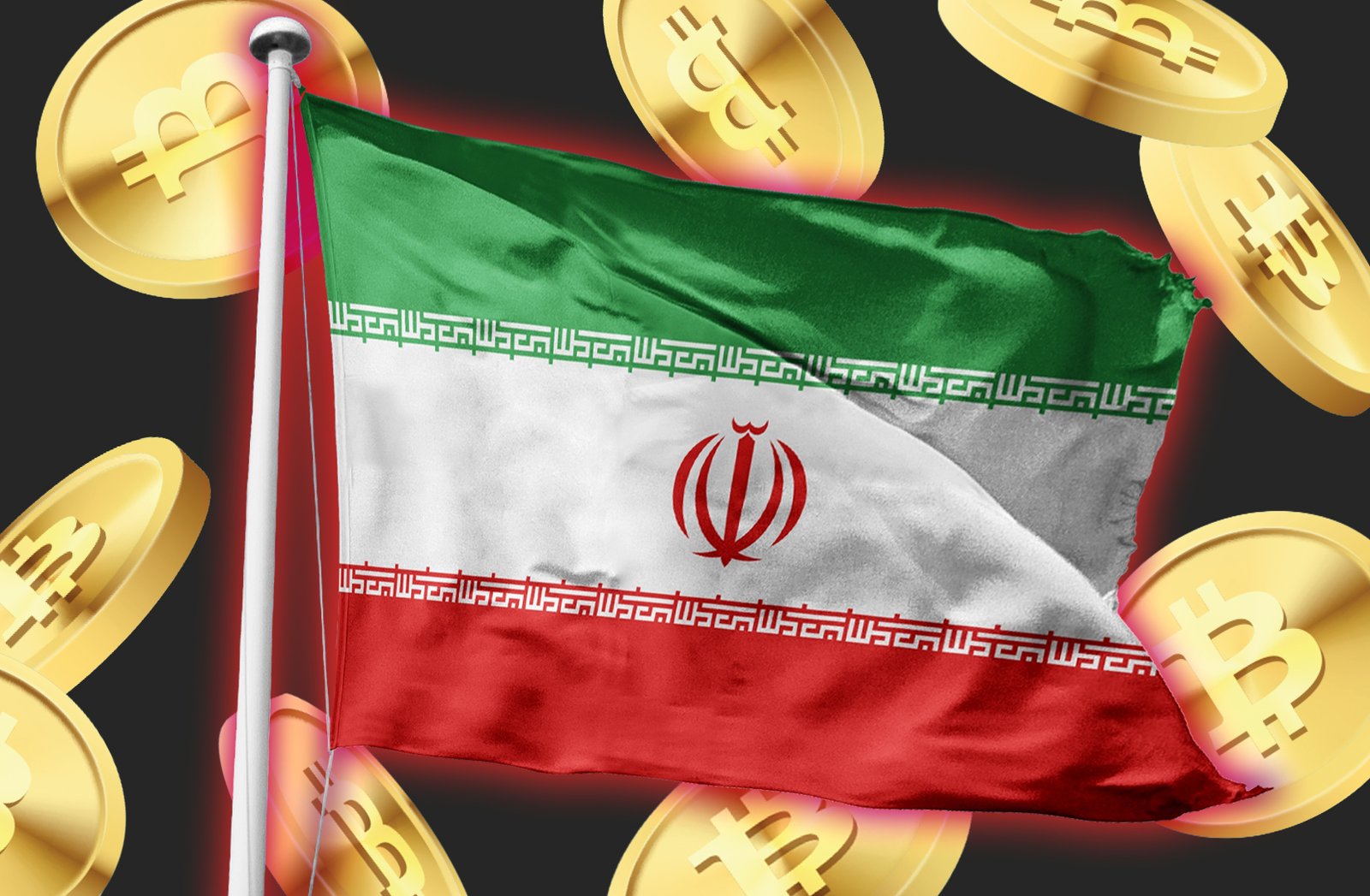
Payments are increasingly required in Chinese yuan or stablecoins, bypassing traditional financial systems and U.S. sanctions. Toll rates start around $1 per barrel for oil shipments, but total fees can reach millions depending on cargo and risk. At least two vessels have already completed yuan-based transits, one arranged via a Chinese maritime services firm.
Approved vessels receive clearance codes and may be guided through designated IRGC-monitored corridors, sometimes with armed escorts near strategic points like Larak Island. The system has sharply reduced traffic, with some estimates suggesting a 95% drop as operators weigh costs and risks.
The toll scheme is being formalized under Iran’s “Strait of Hormuz Management Plan,” which outlines security, environmental rules, coordination with Oman, and a formal toll structure. Although the plan references payments in Iranian rials, in practice it relies on yuan and crypto to circumvent sanctions.