




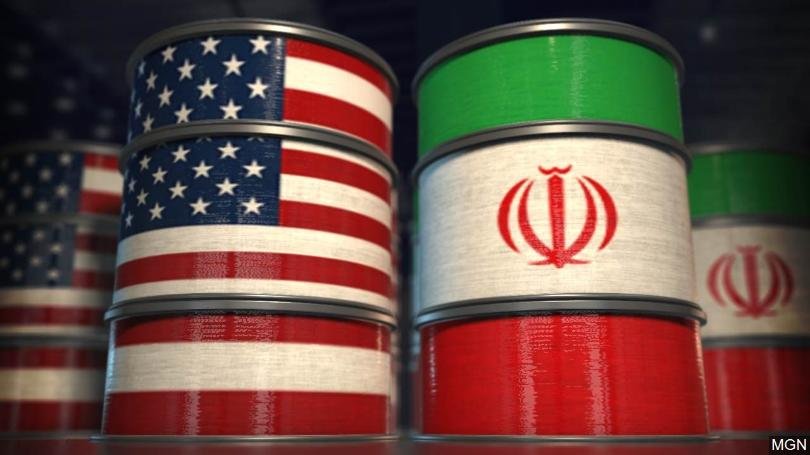
Global energy markets are under increasing strain as the G7 nations explore the possibility of releasing oil from their strategic reserves to counter the sharp surge in crude prices.
As of 7:30 PM Pakistan Standard Time, Brent crude had fallen from an earlier high of $119 to around $101 per barrel, while US West Texas Intermediate (WTI) was trading near $99 per barrel.
According to market analysis cited by The Kobeissi Letter, G7 countries are considering releasing up to 400 million barrels of crude from their emergency stockpiles. The reports triggered a sharp market reaction, with oil prices dropping nearly 20% in early trading as traders assessed the potential impact of additional supply. The move comes after Iran reportedly shut the Strait of Hormuz to more than 95% of its normal shipping traffic, raising fears of major disruptions to global oil flows.
Collectively, the G7 countries hold roughly 1.2 billion barrels in strategic reserves. That volume is estimated to equal about 60 days of oil flows through the Strait of Hormuz. Analysts suggest that releasing 400 million barrels could temporarily replace around 20 days of disrupted supply, providing short-term relief to global markets.
However, market observers warn that such measures would only buy limited time. If the ongoing tensions involving Iran, the United States, and Israel continue after these reserves are exhausted, the global energy system could face severe supply shocks.
Some analysts and market commentators on social media platform X have cautioned that relying heavily on emergency stockpiles carries significant risks. If shipping through the Strait of Hormuz is not restored before those reserves are depleted, oil prices could surge again from a much higher baseline.
One commentator suggested that the next spike could begin around $140 per barrel, particularly if markets realize that emergency reserves have already been heavily utilized and little additional supply remains available to stabilize prices.