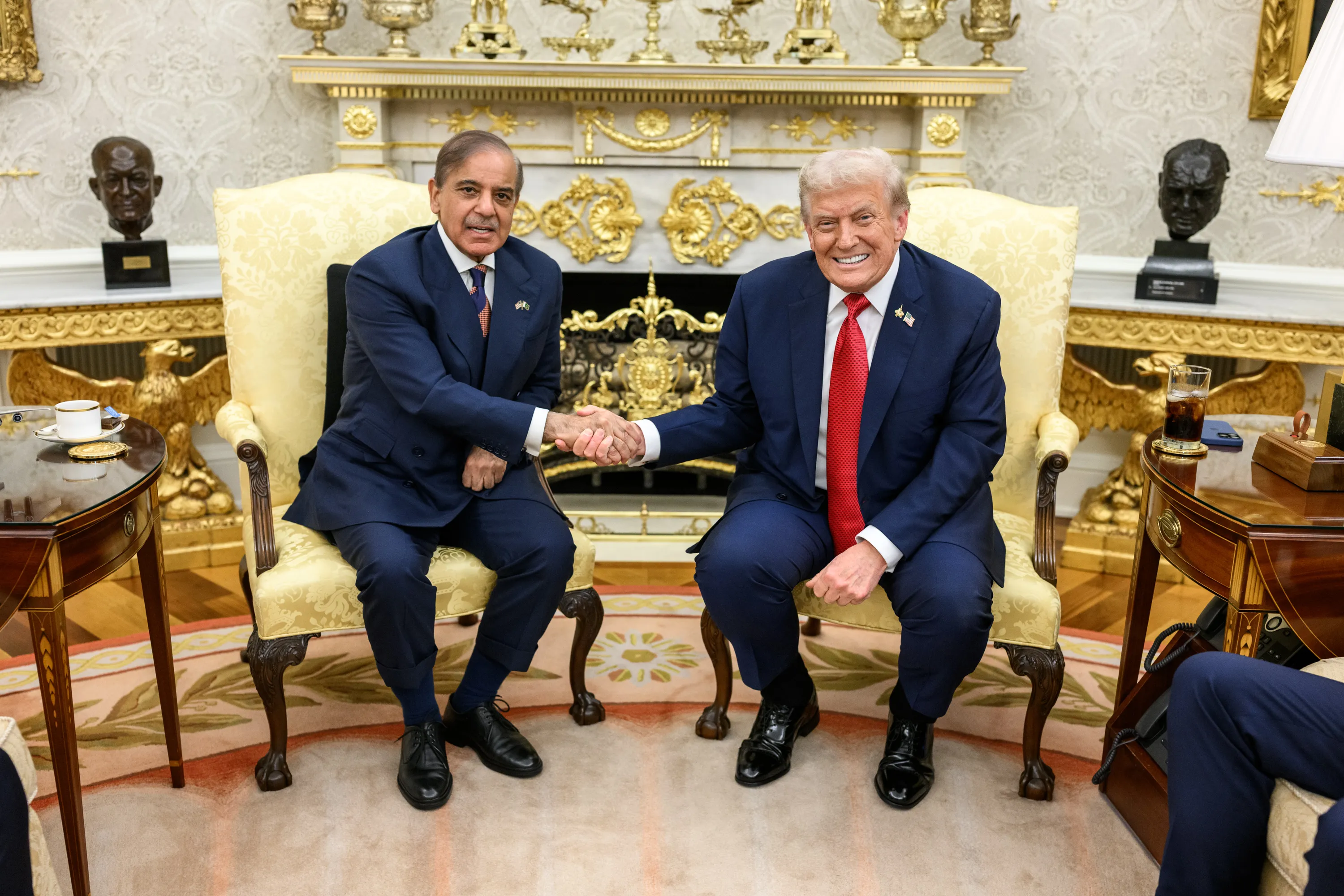
Pakistan has unexpectedly found itself at the heart of global diplomacy after helping open a channel between Washington and Tehran that led to a temporary halt in hostilities, a development that is drawing mixed reactions across the region — particularly in India and Israel.
The two-week pause in military escalation between the United States and Iran followed intensive diplomatic contacts in which Islamabad acted as a communication bridge, urging both sides to step back from confrontation and allow negotiations to move forward.
“Pakistan really went from inflation headlines to stopping a war in one season 😭”
“India watching Pakistan host diplomacy while it was busy debating statements.”
“Geopolitics plot twist: Islamabad becomes peace headquarters.”
“US and Iran talking through Pakistan was not on my 2026 bingo card.”
“Pakistan unlocked international mediator after years of being called irrelevant.”
“Someone give Islamabad a diplomacy award already.”
According to officials familiar with the process, Pakistan helped pass proposals and responses between both capitals at a moment when direct engagement was politically difficult. The pause is being viewed as a testing period meant to prevent further escalation while groundwork for broader negotiations is explored.
The diplomatic breakthrough has shifted attention toward Islamabad’s growing role beyond South Asia. Analysts note that Pakistan maintains working relations with Washington, longstanding engagement with Tehran, and deep connections across Gulf states — a combination few countries currently possess.
The optics, however, have stirred unease in some quarters. Israeli policymakers remain cautious about any diplomatic framework that could ease pressure on Iran without firm security guarantees. Meanwhile, commentary emerging from Indian strategic circles reflects discomfort over Pakistan gaining international visibility as a crisis mediator, a role New Delhi has long sought to project for itself on the global stage.
Pakistan’s involvement was not sudden. Over recent weeks, its leadership engaged regional partners and advocated restraint amid fears that continued strikes could widen the conflict, threaten energy routes, and trigger a broader economic shock worldwide.
The immediate global response underscored the stakes. Oil markets cooled after news of the diplomatic pause, signaling investor relief that a potentially devastating regional war might be avoided — at least for now.
Whether the ceasefire evolves into lasting peace remains uncertain. Deep mistrust persists between Washington and Tehran, and negotiations face significant political hurdles. Yet one outcome is already evident: Pakistan has repositioned itself internationally, shifting from crisis observer to active diplomatic player at a moment when global tensions demanded an intermediary both sides could engage.