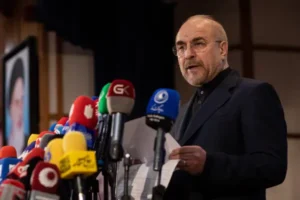




Former Finance Minister Miftah Ismail has explained why diesel prices in Pakistan remain disproportionately high, pointing to structural flaws in the government’s pricing formula.
Ismail noted that Pakistan produces about 75% of its diesel domestically, with the remainder imported. Yet the Oil and Gas Regulatory Authority (OGRA) sets domestic diesel prices based on imported fuel costs, which are almost always higher than local production costs. This results in extra profits for refineries, which are meant to be reinvested in upgrading machinery and reducing sulfur content in diesel.
He highlighted that global factors, such as the ongoing Iran war, have widened the price gap between low-sulfur diesel traded internationally and crude oil, inflating the cost further. Currently, OGRA’s price of imported diesel stands at Rs496 per litre, while the actual cost of locally refined diesel, including crude and refining expenses, is roughly Rs350 per litre — meaning consumers pay Rs150 extra per litre for domestic diesel.
Proposed Fix
Ismail proposed a temporary solution to ease the burden:
- Allow only Pakistan State Oil (PSO) to import diesel.
- Price diesel based on Arab Light crude plus standard margins, compensating PSO for the cost difference between imports and domestic supply.
- Impose a temporary levy on all diesel to fund the PSO compensation.
Using Ismail’s example: if imported diesel costs Rs500 and domestic diesel Rs350, with 70% of supply domestic, OGRA should price diesel at Rs395 per litre, with a Rs45 levy covering PSO’s import cost. This measure, he noted, is mainly needed during the high-demand harvesting season, after which imports and levies can be reduced.
He also recommended that petroleum prices be deregulated by May 31, with targeted PSO subsidies for imported diesel.
“This isn’t rocket science,” Ismail said, criticizing the government for failing to implement a simple, effective solution that could immediately relieve consumers.