



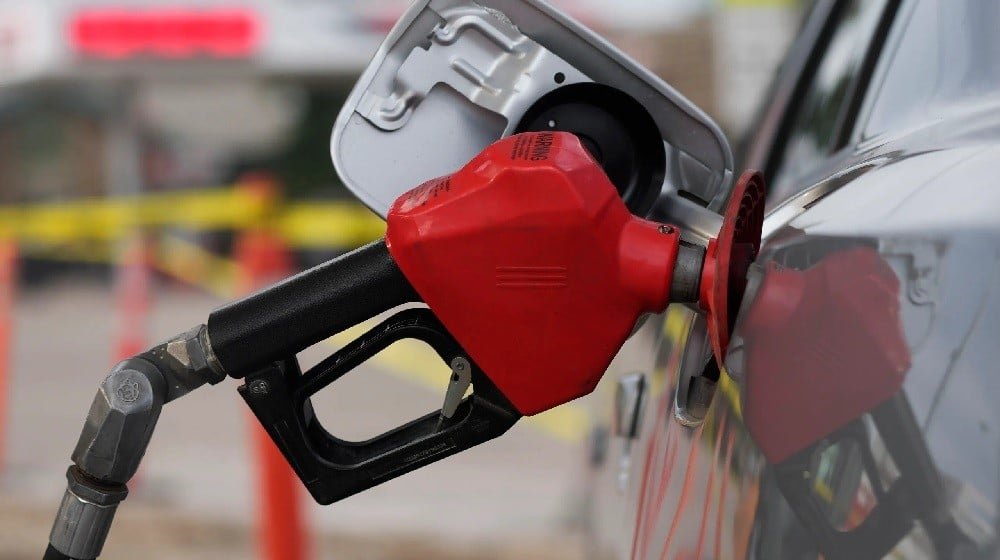
The federal government of Pakistan is considering ending the freeze on petrol and diesel prices as costs rise sharply and lag behind global benchmarks, while officials are exploring targeted subsidies for two- and three-wheelers to support low-income consumers, according to officials and media reports.
Prices of aviation fuel and kerosene have surged in recent weeks even as petrol and high-speed diesel remained frozen during Ramadan, with the government diverting fiscal resources to absorb higher import costs. Official price sheets reviewed by Dawn show jet fuel (JP-1) increased by Rs84 per litre, or about 22%, to Rs472 from March 21, while kerosene jumped roughly Rs71 per litre, or 20%, to Rs429 within a week.
Since early March, jet fuel prices have risen nearly 150% and kerosene about 127%, reflecting volatility in global energy markets following the US–Israel conflict involving Iran.
Petrol and diesel prices were held at a freeze after an earlier increase of Rs55 per litre each, with the government allocating around Rs69 billion in subsidies to offset further adjustments. Officials said the state is currently absorbing roughly Rs175 per litre on diesel and about Rs75 per litre on petrol to maintain retail prices.
Maintaining the freeze may be increasingly difficult as Pakistan’s review programmes under the International Monetary Fund (IMF) remain pending and fiscal pressures intensify. Officials warned that delaying price adjustments could build greater inflationary pressures later.
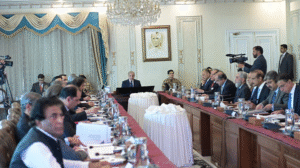
A special cabinet committee, formed by Prime Minister Shehbaz Sharif, reviewed the growing divergence between domestic and international fuel prices and discussed replacing broad price controls with targeted subsidies for smaller vehicles such as two- and three-wheelers.
Authorities said petroleum inventories remain adequate, supported by secured imports for March and April and steady refinery output, with supply chains functioning normally nationwide.
Rising jet fuel costs are already being passed on to consumers through higher airfares. Aviation officials estimated domestic ticket prices have increased by Rs10,000 to Rs15,000, while international fares have risen by Rs30,000 to Rs40,000 as airlines absorb higher fuel expenses, which typically account for 30% to 40% of operating costs.
The impact has been exacerbated by disrupted regional airspace, forcing carriers to take longer routes and raising operating costs further. Since the escalation of tensions in the Middle East, about 325 flights by Pakistani airlines, including roughly 200 operated by Pakistan International Airlines, have been cancelled. While base fares remain unchanged, fuel surcharges of $10 to $100 have been introduced on certain routes. Passenger traffic from the Gulf has weakened, though travel from Saudi Arabia and the United Arab Emirates remains comparatively strong.
Exporters are also feeling the pressure. The Pakistan Fruit and Vegetable Exporters Association reported that ground handling companies have imposed additional charges of Rs50 per kilogram on air cargo shipments, warning that the increase could disrupt perishable exports if fuel costs remain elevated.