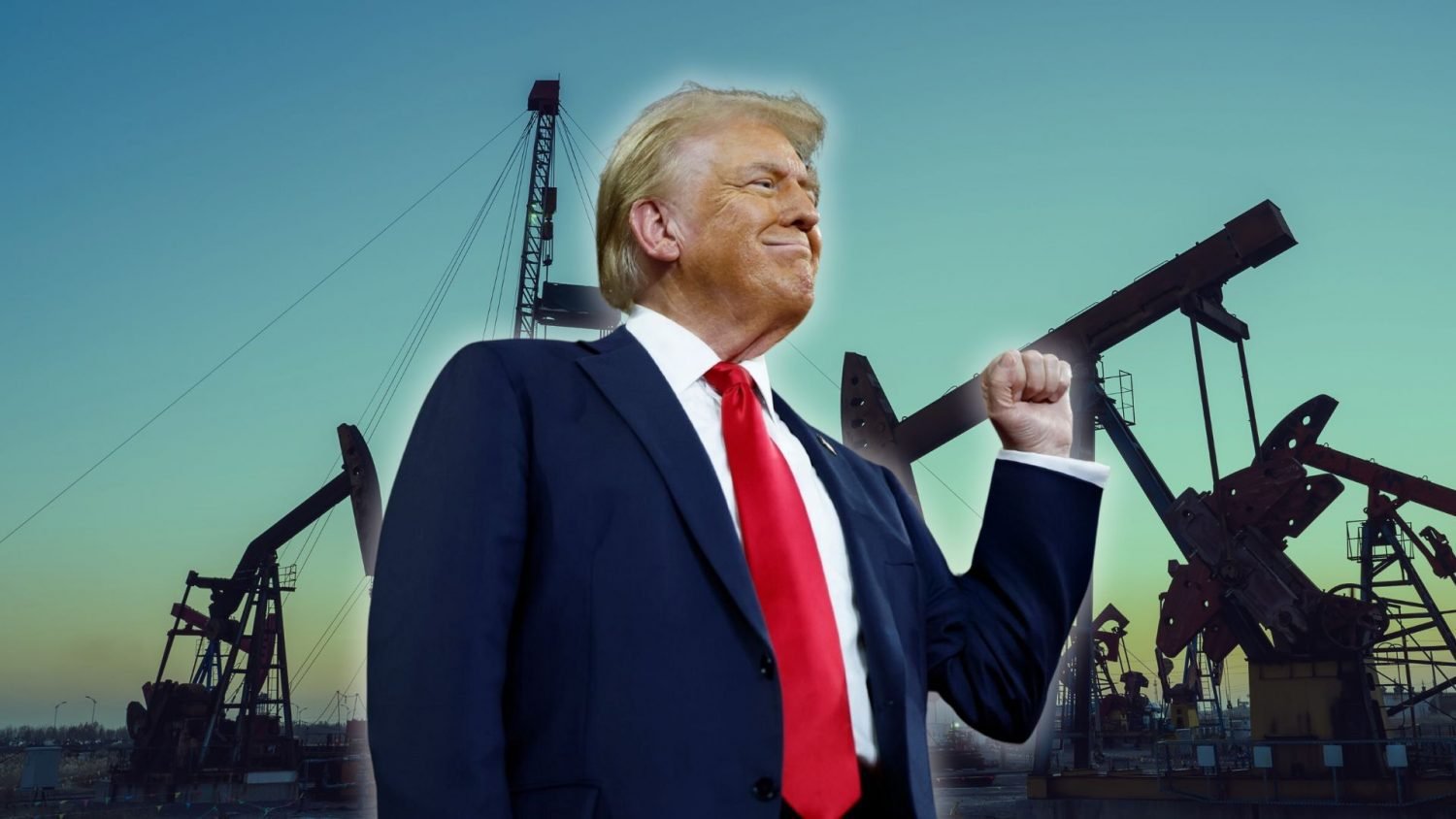
Tensions in the Gulf region escalated sharply after former US President Donald Trump announced plans to block maritime traffic linked to Iran, raising fears of a major disruption to global energy routes.
In a strongly worded statement, Trump framed the proposed action as a security measure aimed at countering Tehran’s regional activities. However, critics and regional observers argue the move could severely impact international oil flows passing through the Strait of Hormuz, one of the world’s most critical energy chokepoints.
The Strait handles a significant share of global oil shipments, supplying major Asian economies including Japan and India. Any disruption to traffic in the narrow waterway risks immediate consequences for fuel prices, shipping insurance costs, and global markets.
Analysts warn that Tehran could respond swiftly. One possible scenario being discussed in regional security circles involves Iran attempting to restrict vessel movement toward Gulf ports or encouraging allied groups to target maritime traffic near the Bab al-Mandab, another vital trade corridor linking the Red Sea to international shipping lanes.
Attention has also turned to Yemen’s Houthis, who have previously threatened vessels they consider connected to American or Israeli interests. Any escalation in that area would expand tensions beyond the Persian Gulf and potentially threaten global trade routes stretching from Asia to Europe.
Energy markets are closely monitoring developments, as a blockade or counter-blockade scenario could trigger supply shocks reminiscent of past Gulf crises. Diplomatic channels remain active, but security experts warn that miscalculation at sea could rapidly transform political pressure into a wider regional confrontation.
For now, governments and shipping companies are preparing contingency plans amid growing uncertainty over whether the latest rhetoric will translate into military action on one of the world’s most strategically sensitive waterways.