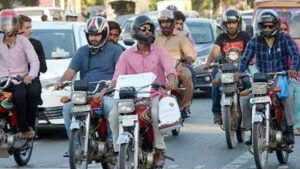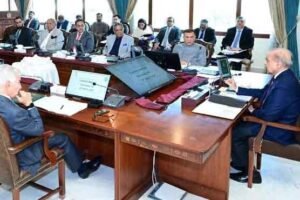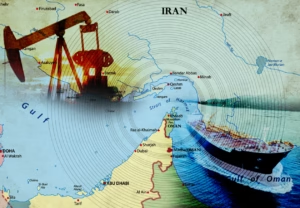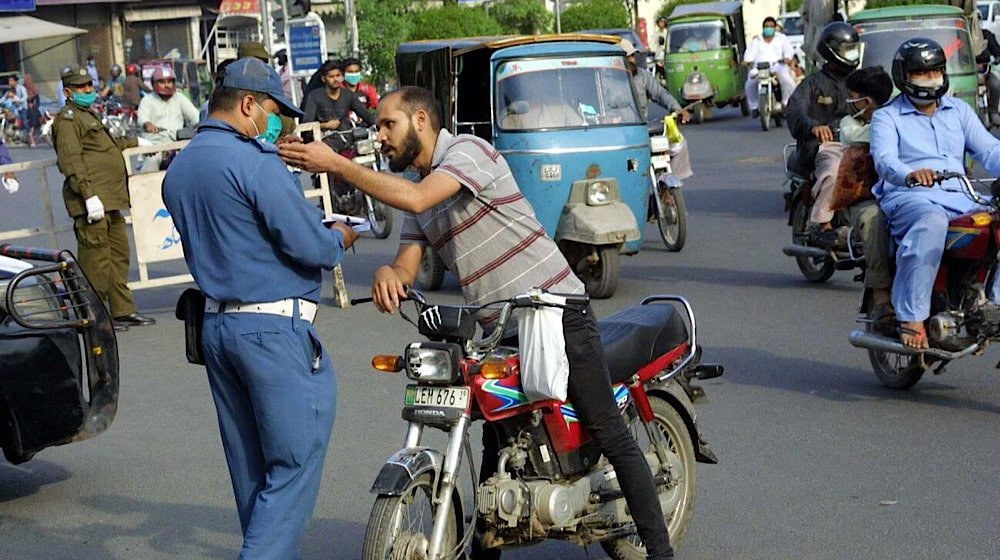
The Punjab government has announced a series of emergency measures to address economic pressures arising from the ongoing regional conflict and the resulting petroleum crisis.
Chief Minister Maryam Nawaz Sharif ordered the suspension of government fuel allocations for provincial ministers until the fuel situation stabilizes. Petrol and diesel allowances for official vehicles used by government officers have also been reduced by 50 percent with immediate effect.
The chief minister also banned protocol convoys accompanying ministers and senior officials. Under the revised rules, only one escort vehicle will be permitted strictly for essential security purposes.
As part of energy-saving measures, most government offices will shift to a work-from-home system, with only essential staff required to attend offices. Authorities clarified that office work will continue, but the movement of additional support staff will be restricted.
The provincial government has also ordered the closure of schools, colleges and universities across Punjab from March 10 to March 31. Scheduled examinations will continue as planned, while educational institutions have been directed to conduct classes online during the closure period.
Public service platforms, including e-business facilities and the “Maryam Ki Dastak” service, will continue operating to facilitate citizens. Government departments will conduct official business through online meetings and teleconferences.
In addition, all government outdoor events have been banned, and the annual Horse and Cattle Show cultural festival has been postponed.
To strengthen oversight of fuel supplies, the chief minister directed the establishment of District Petroleum Monitoring Committees in every district. The Punjab Information Technology Board (PITB) has been tasked with developing a track-and-trace system for petroleum products. The system will involve representatives from district administrations, police, the Punjab Agriculture, Food and Drug Authority (PAFDA), and other relevant institutions.
The chief minister also instructed authorities to strictly monitor transport fares across the province and take legal action against operators charging excessive or illegal fares. District administrations have been directed to closely monitor the supply and demand of food items to prevent shortages or price manipulation.
Maryam Nawaz Sharif urged the private sector to adopt work-from-home practices where possible, avoid unnecessary events and limit workplace attendance to essential staff.
She also appealed to the public to avoid unnecessary purchases, refrain from hoarding essential goods, limit late-night shopping and postpone outdoor gatherings during the current crisis.
The chief minister warned that anyone attempting to exploit the situation through profiteering or hoarding would face strict action. She also praised Prime Minister Shehbaz Sharif and Chief of Army Staff Field Marshal Asim Munir for what she described as decisive leadership during the crisis, urging citizens to respond to the situation with unity, patience and responsibility.