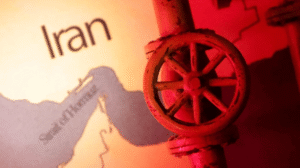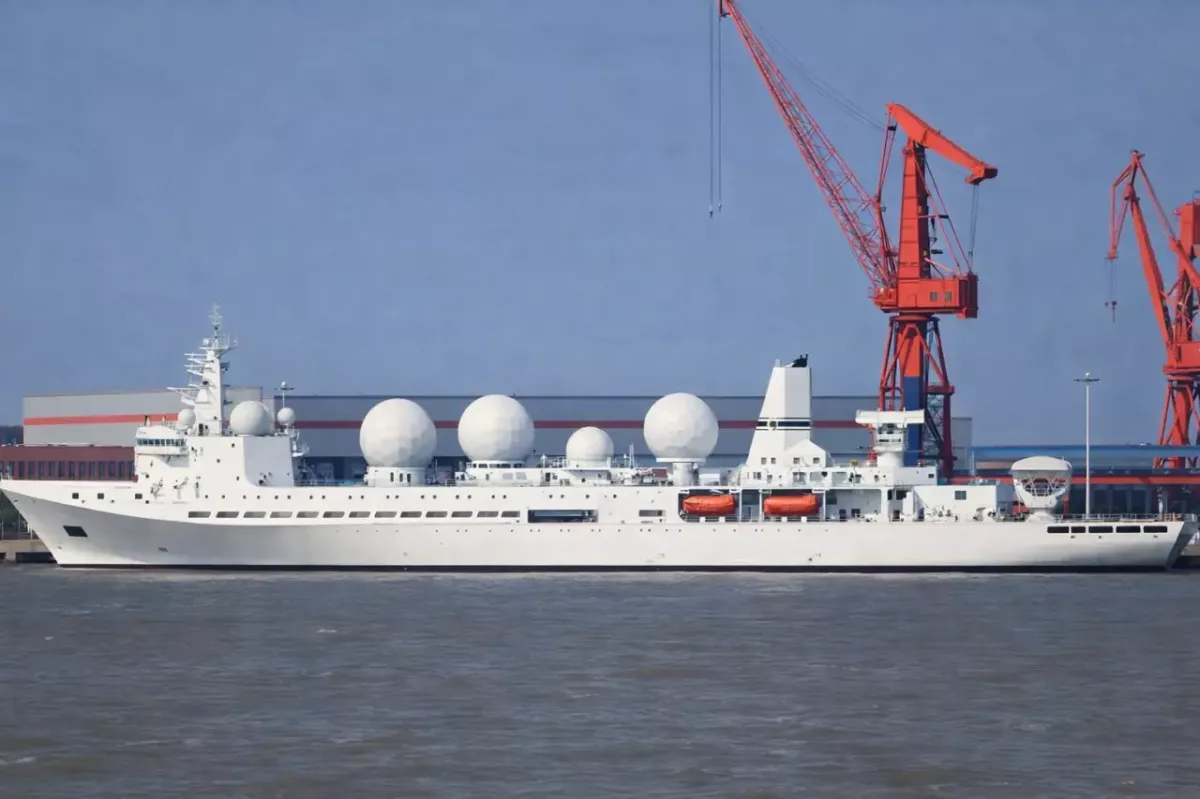
A Chinese intelligence-gathering vessel has deployed near the Strait of Hormuz, according to defence analysts and satellite imagery, positioning itself close to one of the world’s most strategically sensitive maritime corridors as tensions involving Iran, the United States and Israel remain high.
The ship, Liaowang-1, is operating in international waters near the coast of Oman alongside warships from the People’s Liberation Army Navy, researchers who reviewed recent satellite images said.
The presence of the vessel comes as military tensions involving Iran, the United States and Israel have heightened concerns about the risk of a broader regional conflict.
While China has not publicly backed any side, defence analysts say the deployment highlights how major powers are increasingly shaping conflicts through intelligence gathering rather than direct military involvement.
Satellite networks and growing Iran ties
China has expanded defence cooperation with Iran in recent years, including collaboration in satellite and navigation technologies.
Analysts say China’s network of more than 500 operational satellites, many with both civilian and military applications, enables it to collect data across key maritime corridors including the Indian Ocean, the Gulf of Oman and the Persian Gulf.
That surveillance capability has become more significant as Iran has reduced reliance on the Global Positioning System and increasingly turned to China’s BeiDou Navigation Satellite System for positioning and navigation.
Iranian officials have previously expressed concern that GPS signals could be disrupted during conflict through electronic interference, prompting interest in alternative navigation and targeting systems.
Some security analysts describe the emerging dynamic as an informal division of roles, in which China provides surveillance capabilities while Iran maintains regional strike capacity.
Signals intelligence platform
Unlike conventional naval vessels designed for combat, Liaowang-1 is primarily built to collect electronic intelligence.
The ship carries large radar domes housing sensors capable of monitoring radar emissions, communications signals and satellite activity across long distances, analysts say. Such systems can help map the electronic environment of modern warfare by detecting signals emitted by aircraft patrols, naval formations and missile defence systems.
Defence analysts say the platform’s sensors could potentially detect aircraft movements by U.S. or Israeli forces operating in the region.
If such information were relayed to Iranian command structures, analysts say it could extend reaction times for Iranian air-defence units by providing earlier warning of incoming strike aircraft.
Tracking patterns of military activity
Electronic surveillance vessels are particularly valuable because they can reveal patterns in military operations.
By monitoring radar emissions, aerial refuelling corridors and naval manoeuvres, analysts say such platforms can help identify the operational rhythm of long-range strike campaigns.
This could indicate when aircraft carriers launch strike waves or when tanker aircraft establish refuelling corridors to support long-distance missions.
Analysts say identifying those patterns could help planners anticipate potential launch windows or adjust defensive deployments during vulnerable phases of Western military operations.
Monitoring missiles and electronic warfare
The ship is also believed to be capable of tracking missile trajectories and recording electronic warfare signatures.
Such monitoring could generate data on cruise missile flight paths, interception timelines and the electronic countermeasures used during modern precision-strike operations.
Even if the information remains within Chinese analytical systems, analysts say the data could provide insights into how Western military systems operate under real conflict conditions.
Strategic presence without escalation
Despite its advanced surveillance capabilities, Liaowang-1 has remained in international waters and has not taken part in military operations.
Operating outside territorial waters means any attempt to interfere with the vessel could risk escalating tensions between the United States and China, analysts say.
That legal and strategic constraint gives the ship much of its influence.
Even without confirmed intelligence sharing, analysts say the presence of a Chinese intelligence, surveillance and reconnaissance platform monitoring military activity in the Gulf could indirectly enhance Iran’s strategic awareness during periods of heightened tension.
Analysts say the deployment underscores how modern conflicts are increasingly shaped not only by military firepower but also by the ability to observe and analyse the battlefield.