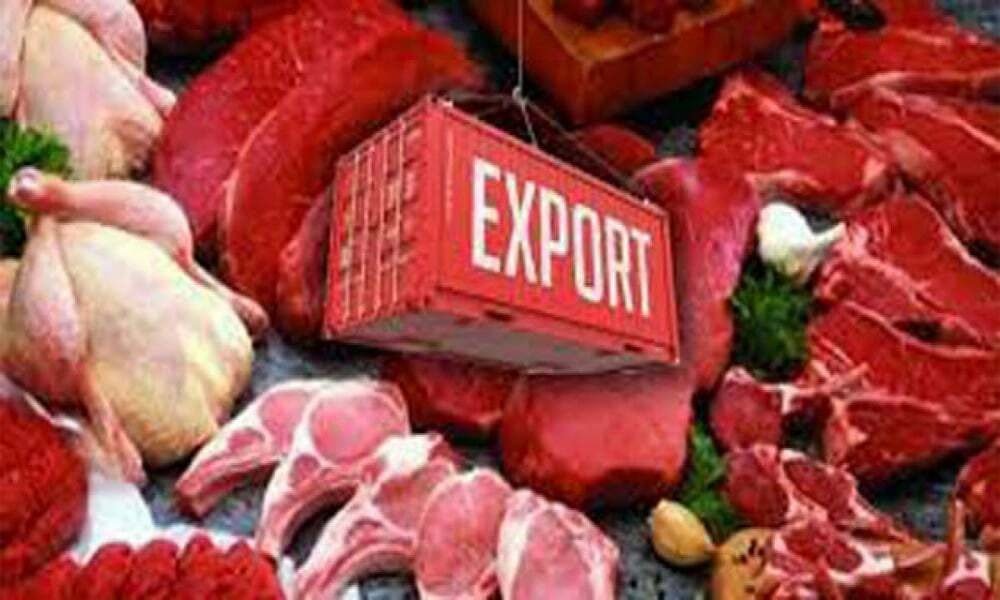
Pakistan’s meat exporters have raised serious concerns over the imposition of additional adhoc charges by Gerry’s Dnata, warning that the move could undermine the country’s export competitiveness and disrupt shipments to key international markets.
The All Pakistan Meat Exporters and Processors Association (APMEPA) has formally approached the Ministry of Commerce, urging the government to immediately intervene and stop what it described as “unauthorised and unjustified charges” being imposed on exporters.
According to the association, Gerry’s Dnata has recently introduced an additional charge of Rs50 per kilogram on meat exports and warned exporters that consignments would not be processed if the charges are not paid.
Exporters argue that such measures place an unfair burden on the industry and could significantly raise the cost of exporting meat from Pakistan at a time when the country is striving to increase its export earnings.
Industry representatives said the additional charge translates to approximately $180 per ton, sharply increasing logistics costs and potentially making Pakistani meat less competitive in international markets.
APMEPA Chairman Mian Abdul Hannan said exporters were already operating in a highly competitive global environment where even small increases in logistics costs can determine whether a product gains or loses market share.
“Pakistan’s exporters require stable, predictable and rational logistics costs in order to remain competitive in global markets,” he said, warning that sudden and unilateral cost increases could damage the credibility of Pakistan’s export supply chain.
The association also questioned the legality of the charges, stating that exporters were not the appropriate party to bear such costs.
According to exporters, all relevant handling and service charges are already paid by the airlines, and any operational or financial matters should be resolved between the airline and the service provider rather than being passed on directly to exporters.
Exporters said the situation was particularly concerning because Pakistan is currently attempting to expand its export base to stabilise external accounts and reduce reliance on imports.
“At a time when the country is striving to increase exports, any additional charges imposed on exporters must be carefully examined to ensure they do not weaken Pakistan’s export competitiveness,” Hannan added.
Industry stakeholders warned that if the charges continue, they could disrupt shipments, raise export prices and potentially push international buyers towards competing suppliers from countries with lower logistics costs.
The association has therefore requested the federal government — particularly the prime minister — to take immediate notice of the issue and direct the relevant authorities to ensure exporters are not subjected to what they describe as anti-export measures.
Exporters stressed that protecting Pakistan’s export ecosystem requires not only supportive policies but also ensuring that logistics and handling services remain efficient, transparent and free from sudden cost shocks.
They warned that failure to address the issue promptly could threaten the growth of Pakistan’s meat exports, one of the country’s emerging value-added export sectors.