



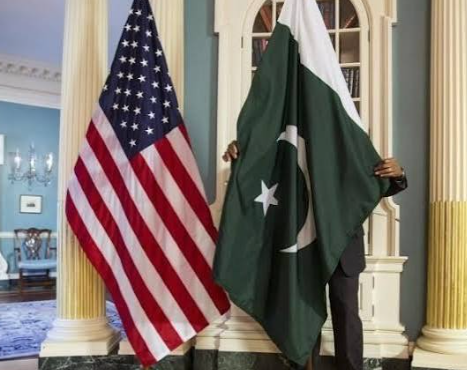
Pakistan is set to face the lowest US tariff among its key export rivals after Washington proposed steep new duties on India, Vietnam, Bangladesh and several other Asian economies and Europe, while leaving Pakistan out of the new action. The move could give Pakistani exporters a significant price advantage in the US market.
US Announces Findings in 14 Section 301 Investigations
The Office of the United States Trade Representative (USTR) on November 25 announced findings in 14 Section 301 investigations into “structural excess capacity” in manufacturing. The investigations cover China, the European Union, India, Vietnam, Bangladesh, Cambodia, Indonesia, Malaysia, Thailand, Japan, South Korea, Taiwan, Singapore and Switzerland. Pakistan was not part of these investigations.
Pakistan Retains 10 Percent Duty While Rivals Face Much Higher Rates
Pakistani goods will stay at the existing 10 percent Section 301 duty that the US imposed in July over forced labor enforcement. Its competitors face much higher proposed rates. Vietnam faces up to 35 percent, or 20 percent if it reaches a trade deal. India faces up to 25 percent, or 17 percent with a trade deal. Bangladesh, Cambodia and Indonesia each face up to 18 percent, while the European Union faces 15 percent and China faces up to 20 percent.
Exporters Could Gain Price Edge of 8 to 25 Percentage Points
If the proposals go through, Pakistani exporters, especially textile and apparel makers who compete head-on with Bangladesh, Vietnam, India and Cambodia in the US market, could gain a price edge of 8 to 25 percentage points on many products. The advantage could translate into higher orders and greater market share for Pakistani manufacturers in the months ahead.
New Duties Not Final as Consultations Continue
However, the new duties are not final yet. Written comments are due by January 5, 2027, and USTR will hold public hearings from January 25, 2027. Product exemptions or trade deals could still lower the final rates for rivals. Pakistan has also been negotiating its own trade deal with Washington, which could further improve its tariff position.
For now, the developments place Pakistan in a favorable position relative to its regional competitors, though exporters will be watching the consultation process closely before the final rates are locked in.