



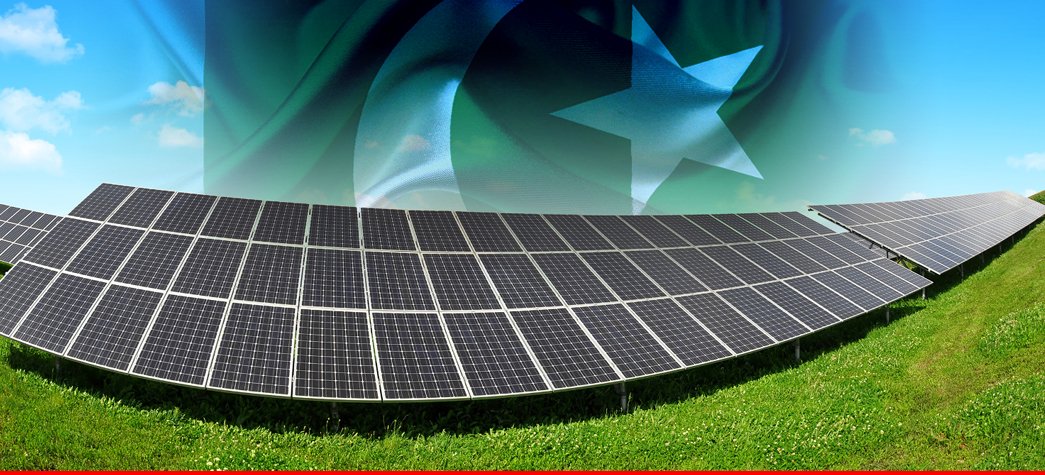
Pakistan’s rapid shift toward solar energy and battery storage has reduced demand on the national grid so sharply that the government is now weighing sweeping changes to the electricity market — aiming to align power supply obligations with actual consumption and shield consumers from the growing cost of excess generation capacity.
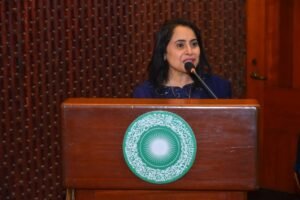
The proposals were reviewed at a meeting of the Steering Committee on Power Sector Regulatory Regime, chaired by Finance Minister Muhammad Aurangzeb at the Finance Division on November 20. The committee examined recommendations prepared by a Technical Working Group as part of efforts to improve efficiency, attract private investment and establish a more competitive electricity market.
Solar Growth Reshaping the Grid
The committee discussed how accelerating solar adoption, combined with battery storage and evolving consumption patterns, has pulled demand away from the national grid. The result has been mounting pressure from excess generation capacity and costly capacity payment obligations — charges that ultimately flow through to consumer bills.
Among the proposals is adapting the Competitive Trading Bilateral Contract Market (CTBCM) to Pakistan’s changing energy landscape. This could involve aligning existing power supply obligations and consumer demand with distribution companies being privatized, potentially opening a pathway toward greater competition in the electricity market.
The proposed arrangements could give competitive suppliers more flexibility to develop tariff structures, improve efficiency and make better use of existing generation capacity. However, their impact on existing power purchase agreements, capacity payment obligations and uniform tariff arrangements requires further examination, the committee noted.
New Rules for Power Suppliers
The committee also reviewed regulatory changes for distribution network operators and competitive suppliers, covering investment approvals, performance standards, transmission and distribution losses, and safeguards against conflicts of interest.
Proposed changes to the Multi Year Tariff framework were also on the agenda. These include incentives for improved operational efficiency, better service quality and reduced distribution losses. The finance minister emphasized that efficiency gains must translate into tangible savings for consumers.
Aurangzeb directed the relevant teams to identify unresolved technical and policy issues and submit recommendations for further consideration. He stressed that the reforms must reduce electricity costs, protect consumers, improve service delivery and create a predictable environment for private investment.
The committee further reviewed the management of distribution companies’ residual assets and liabilities ahead of privatization, including land, receivables, pension obligations and litigation. Continued coordination with NEPRA and other stakeholders was emphasized to ensure the proposed framework is legally sound and practical to implement.