




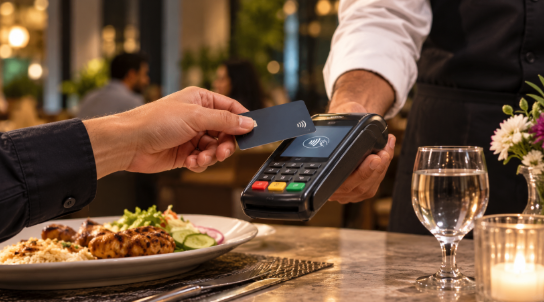
The State Bank of Pakistan (SBP) has clarified that retailers can decide which payment methods they accept and cannot be forced by the central bank to process contactless payments through smartphones, smartwatches and other wearable devices.
The clarification comes after a major retail chain stopped accepting tap-to-pay transactions made through digital devices while continuing to accept contactless payments through physical bank cards.
SBP Chief Spokesperson Noor Ahmed said the central bank does not directly regulate merchants and cannot require them to accept a particular payment method.
This means retailers can choose whether to support payments made through mobile phones and wearable devices, even if their payment terminals continue to accept contactless bank cards.
Who Pays When Contactless Payments Are Fraudulent?
The SBP has also explained how financial responsibility is determined when customers dispute contactless transactions as fraudulent.
According to the central bank, payment networks such as Visa, Mastercard and PayPak have dedicated rules covering disputes and financial liability.
These frameworks define the responsibilities of customers, merchants and acquiring banks.
The party responsible for a disputed transaction is determined individually, depending on whether negligence, an omission or an action by any of the parties contributed to the incident.
SBP said these rules are designed to protect customers and establish the rights and responsibilities of everyone involved in a transaction.
SBP Sets PIN-Free Contactless Payment Limit at Rs. 3,000
The central bank has also confirmed that the current limit for contactless payments without entering a PIN is Rs. 3,000 in Pakistan.
This clarification settles uncertainty over whether the applicable threshold was Rs. 3,500.
The limit applies to PIN-free contactless transactions, while transactions above the threshold may require additional authentication.
The clarification comes as digital wallets and tap-to-pay services become increasingly common in Pakistan, allowing customers to make payments through smartphones, smartwatches and physical contactless cards.
However, the SBP’s response makes clear that merchants retain the choice of which payment methods they support.