



The government’s proposed privatization model for electricity distribution companies (DISCOs) is unlikely to bring immediate relief to consumers, as existing capacity payment obligations would continue to be reflected in electricity bills.
The government has proposed a two-tier business model that separates ownership of electricity distribution infrastructure from power procurement and sales. Under the arrangement, one private investor would own the physical distribution network, while multiple private companies would compete to purchase and sell electricity to consumers.
The model is intended to introduce competition into electricity procurement and sales, potentially allowing suppliers to offer lower rates over the medium and long term.
Private Ownership of Distribution Infrastructure
Under the first tier, a successful bidder would acquire the physical assets of a distribution company, including electricity poles, wires, and other network infrastructure.
The infrastructure owner would operate under government regulation and also serve as the supplier of last resort. This means it would remain responsible for ensuring electricity supply if competitive suppliers fail to meet their obligations.
Private Companies to Compete in Electricity Sales
Under the second tier, private investors would be allowed to enter the electricity market as competitive suppliers. They would independently manage electricity procurement, sales, billing, and collections.
Instead of purchasing distribution infrastructure, these companies would acquire electricity generation capacity and customer portfolios through competitive auctions.
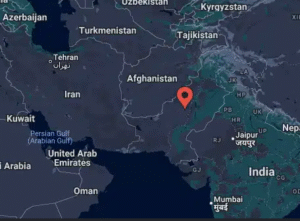
The initial proposal covers the Faisalabad, Gujranwala, and Islamabad electricity distribution companies. However, implementation remains subject to approval from the Power Sector Reforms Steering Committee and the federal cabinet.
Why Electricity Bills May Not Fall Immediately
The proposed privatization is not expected to bring down electricity bills immediately because consumers would still have to pay for unused power generation capacity under existing government agreements.
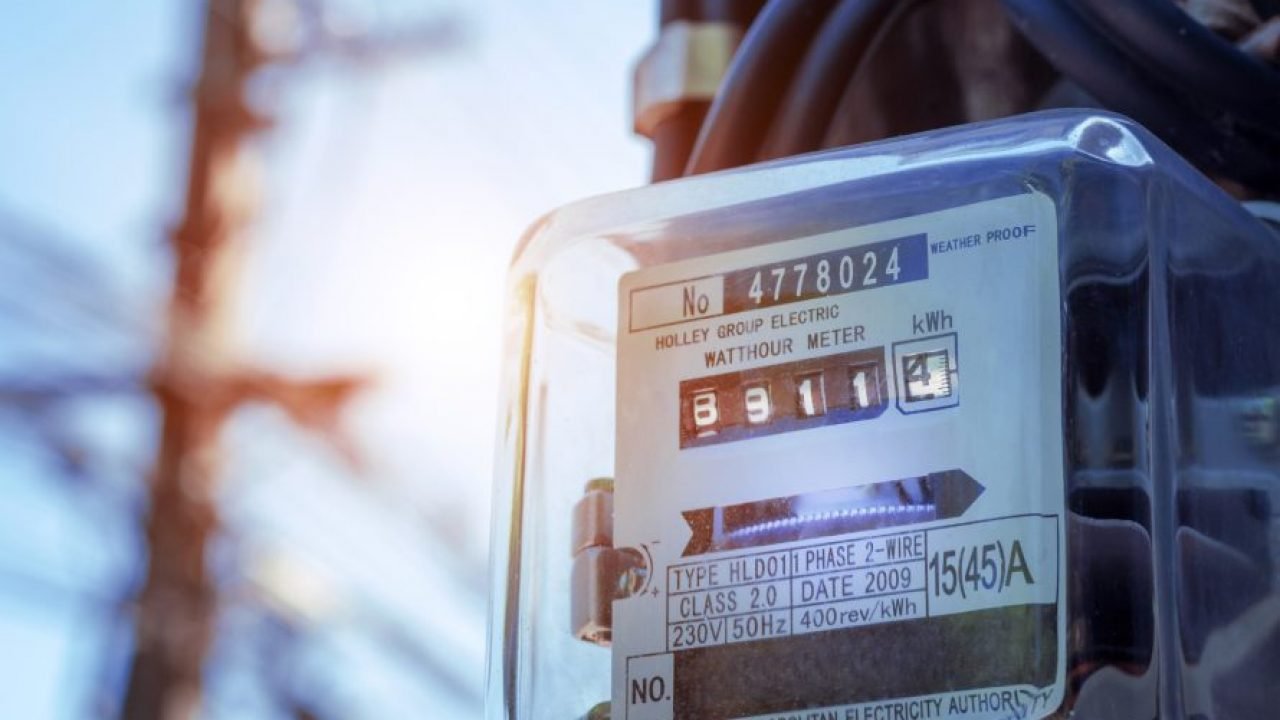
These capacity payments currently add approximately Rs. 17 per unit to electricity costs, according to the proposal.
A Privatization Commission official said the main objective was to keep distribution infrastructure under regulation while opening electricity procurement and sales to private sector competition.
The arrangement would also end the Central Power Purchasing Agency’s (CPPA) position as the sole electricity buyer and allow multiple private suppliers to operate in the market.
Under the proposed mechanism, after the privatization of Faisalabad Electric Supply Company (FESCO), the CPPA would auction the generation capacity allocated to the company, along with its customer portfolio, to private suppliers.
Successful bidders would then become responsible for purchasing electricity and supplying it to customers included in their respective portfolios.
Private Suppliers to Take on Capacity Payments
Competitive suppliers would also assume responsibility for capacity payments under the government’s existing power generation agreements.
These obligations would be distributed among suppliers based on the electricity consumption of customers in their respective portfolios.
The government estimates that annual capacity payments currently amount to approximately Rs. 1.7 trillion.
Under the proposed model, these financial obligations would be transferred to private suppliers alongside the corresponding generation capacity and customer portfolios.
Although the government expects competition to create opportunities for lower electricity prices, existing capacity payments mean consumers should not expect an immediate reduction in their bills.